

XLPE Insulated Underground Cable: Specifications and Applications
author: Shenzhou yongli
2025-12-10

XLPE (cross-linked polyethylene) insulated underground cables are engineered for reliable power transmission and distribution in buried environments, combining XLPE’s thermal stability with robust protection against soil corrosion, moisture, and mechanical damage. Compliant with international standards including IEC 60502, UL 1277, and BS 6622, these cables are the preferred choice for underground power networks—trusted across global infrastructure, industrial, and commercial projects where overhead cabling is impractical.
Core Specifications
- Conductor: Solid or stranded copper/aluminum conductors (Class 1/2/5), with cross-sectional areas from 16mm² to 800mm². Supports high current carrying capacity for long-distance underground transmission.
- Insulation: High-grade XLPE insulation, operating within a temperature range of -40°C to 90°C. Delivers low dielectric loss, excellent electrical insulation, and resistance to soil chemicals.
- Voltage Rating: 1kV to 33kV, covering low, medium, and high-voltage underground power systems.
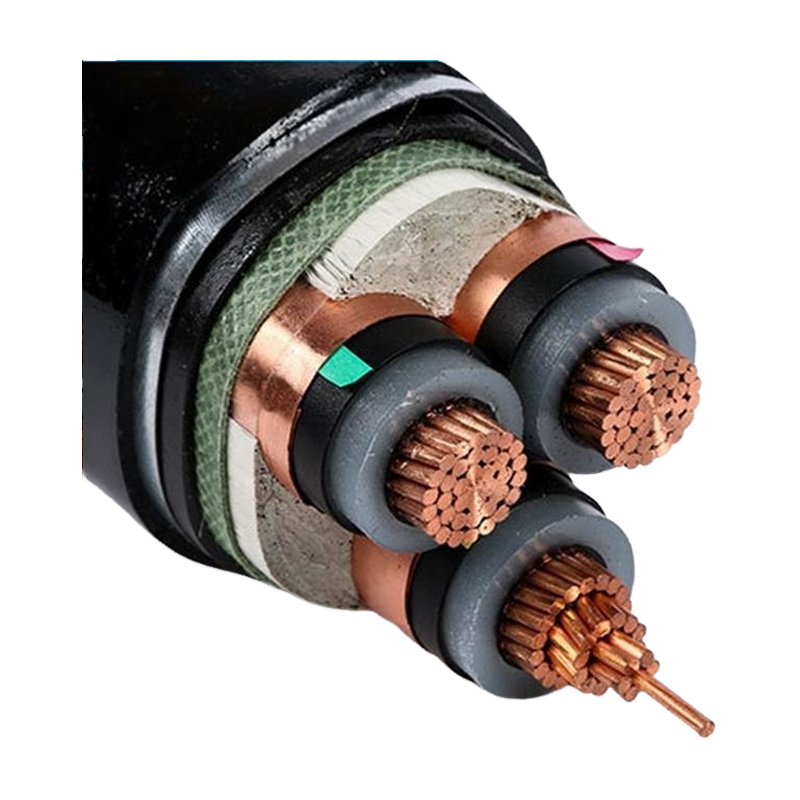
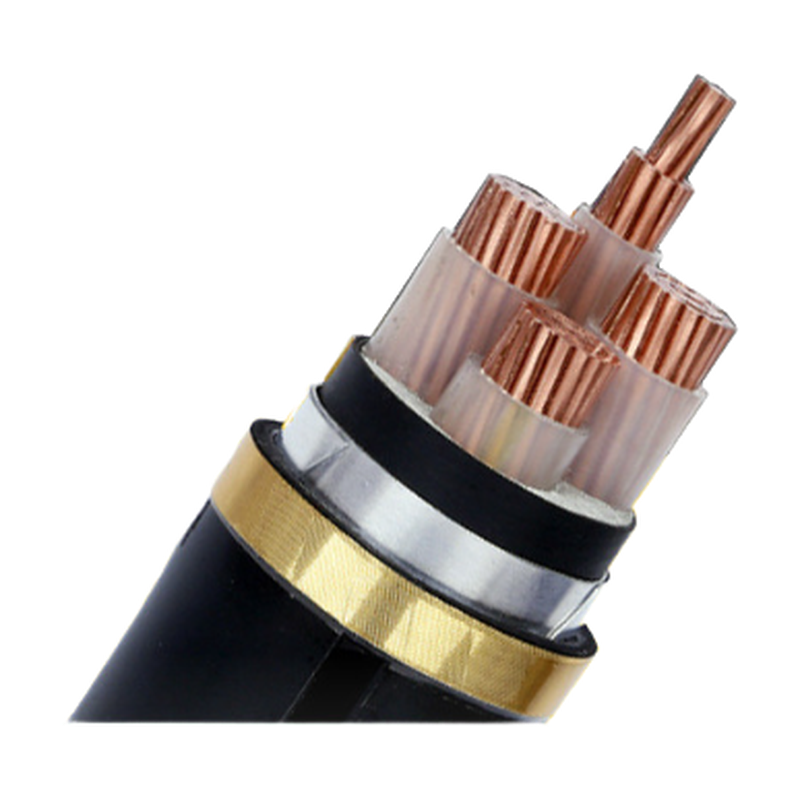
- Protective Layers: Integrates water-blocking tape, semi-conductive shield, and steel tape/wire armor (optional) to prevent moisture ingress and mechanical damage from digging or soil pressure.
- Sheathing: HDPE (high-density polyethylene) or PVC outer sheath, with anti-termite and anti-rodent variants available for pest-prone areas.
- Core Configuration: 1-core, 3-core, or 4-core options, optimized for single-phase and three-phase underground power distribution.
Key Applications
- Power Grids: Ideal for underground transmission lines connecting substations, residential areas, and commercial districts—reducing visual impact and weather-related outages.
- Industrial Facilities: Used in manufacturing plants, refineries, and industrial parks, routing power through underground tunnels to avoid interference with above-ground operations.
- Infrastructure Projects: Applied in urban renewal, railway networks, and airport terminals, supporting hidden power distribution for public infrastructure.
- Renewable Energy: Integral to solar farms and wind energy projects, connecting generators to grid systems via underground routes to preserve land use.
- Commercial & Residential Developments: Suitable for high-rise complexes, housing estates, and shopping malls, providing safe, space-saving power distribution.
Competitive Advantages
- Soil & Moisture Resistance: XLPE insulation and HDPE sheathing resist soil corrosion, moisture, and chemical degradation—extending service life to 30+ years.
- Low Transmission Loss: XLPE’s low dielectric constant minimizes energy loss, improving efficiency for long-distance underground power delivery.
- Mechanical Durability: Armor layers withstand soil pressure, digging impacts, and rodent damage, reducing maintenance and replacement costs.
- Weather Independence: Unaffected by storms, lightning, or extreme weather, ensuring stable power supply compared to overhead cables.
- Global Compliance: Meets international safety and performance standards, facilitating cross-border project deployment and regulatory approval.
Installation & Maintenance Tips
- Use trenchless installation methods (horizontal directional drilling) to minimize environmental disruption and protect the cable.
- Bury the underground cable at a minimum depth of 0.7-1m (per local codes) and separate from other utilities by 30cm to avoid interference.
- Choose armor variants for high-traffic or construction-prone areas to enhance mechanical protection.
- Conduct regular insulation resistance tests and use cable fault locators to identify underground issues promptly.
- Avoid routing near heat sources or chemical storage areas, as high temperatures and chemicals may degrade XLPE insulation.
XLPE insulated underground cables balance reliability, durability, and efficiency, making them a cornerstone of modern hidden power systems. Their resistance to underground hazards, low energy loss, and global compliance ensure seamless power transmission—from urban grids and industrial sites to renewable energy projects worldwide.
Aluminum Overhead Cable: Specifications and Applications
PVC Insulated Waterproof Cable: Specifications and Applications
Related Article

XLPE (cross-linked polyethylene) insulated solar cables are specialized for photovoltaic (PV) systems, combining XLPE’s thermal stability with resistance to UV radiation, extreme temperatures, and environmental stress. Compliant with international standards including IEC 60228, TÜV 2Pfg 1169, and UL 4703,
XLPE Insulated Solar Cable: Specifications and Applications

Copper twin and earth cable is a specialized wiring solution designed for low-voltage power distribution, featuring two current-carrying conductors and a separate earth (ground) conductor—all insulated and sheathed in a single jacket. Compliant with international standards including IEC 60245, BS 6004, and UL 1015, this cable is the backbone of residential, commercial, and light industrial wiring worldwide, valued for its safety, simplicity, and cost-effectiveness.
Copper Twin and Earth Cable: Specifications and Applications

Aluminum overhead cables are a cornerstone of long-distance power transmission, combining aluminum’s lightweight design with excellent conductivity-to-cost ratio. Compliant with international standards including IEC 60889, ASTM B230, and BS 215, these cables are optimized for aerial installation—trusted across global power grids, rural electrification, and infrastructure projects where overhead routing is efficient and cost-effective
Aluminum Overhead Cable: Specifications and Applications

PVC insulated waterproof cables are specialized for reliable electrical transmission in damp, wet, or submerged environments, combining PVC’s durability with enhanced waterproofing structures. Compliant with international standards including IEC 60227, UL 1015, and BS 6346, these cables are trusted for projects requiring moisture resistance—from outdoor infrastructure to industrial wet zones—across global residential, commercial, and industrial sectors.
PVC Insulated Waterproof Cable: Specifications and Applications