


PVC Insulated Waterproof Cable: Specifications and Applications
author: shenzhou yongli
2025-12-09

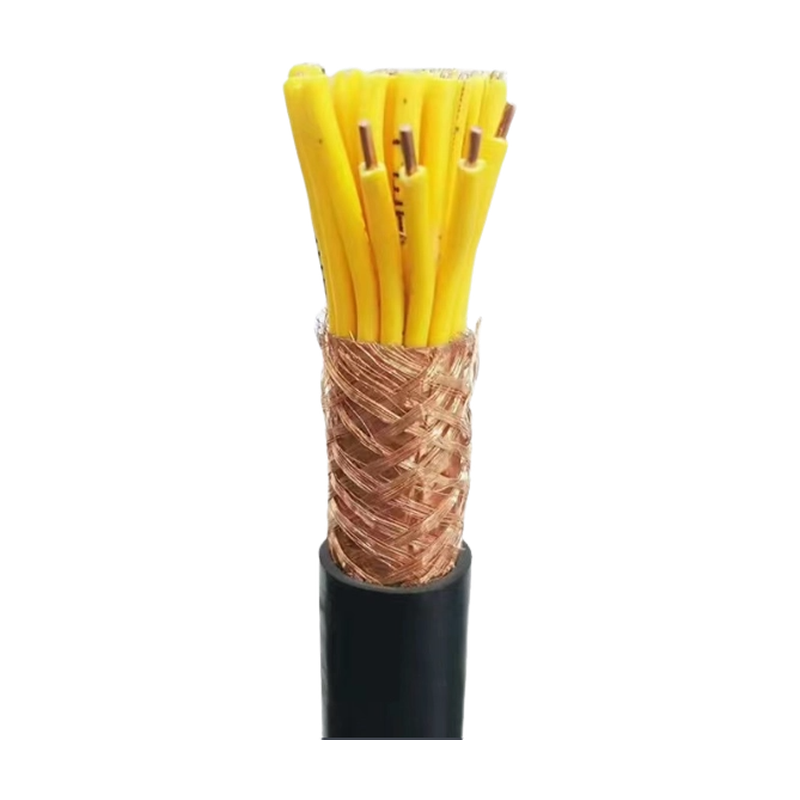
VC insulated waterproof cables are specialized for reliable electrical transmission in damp, wet, or submerged environments, combining PVC’s durability with enhanced waterproofing structures. Compliant with international standards including IEC 60227, UL 1015, and BS 6346, these cables are trusted for projects requiring moisture resistance—from outdoor infrastructure to industrial wet zones—across global residential, commercial, and industrial sectors.
Core Specifications
- Conductor: Solid or stranded copper conductors (Class 1/2), with cross-sectional areas from 0.5mm² to 25mm². Ensures stable current carrying and compatibility with waterproof terminations.
- Insulation: Waterproof PVC (polyvinyl chloride) insulation, operating within a temperature range of -15°C to 70°C. Delivers excellent electrical insulation, moisture barrier, and resistance to abrasion.
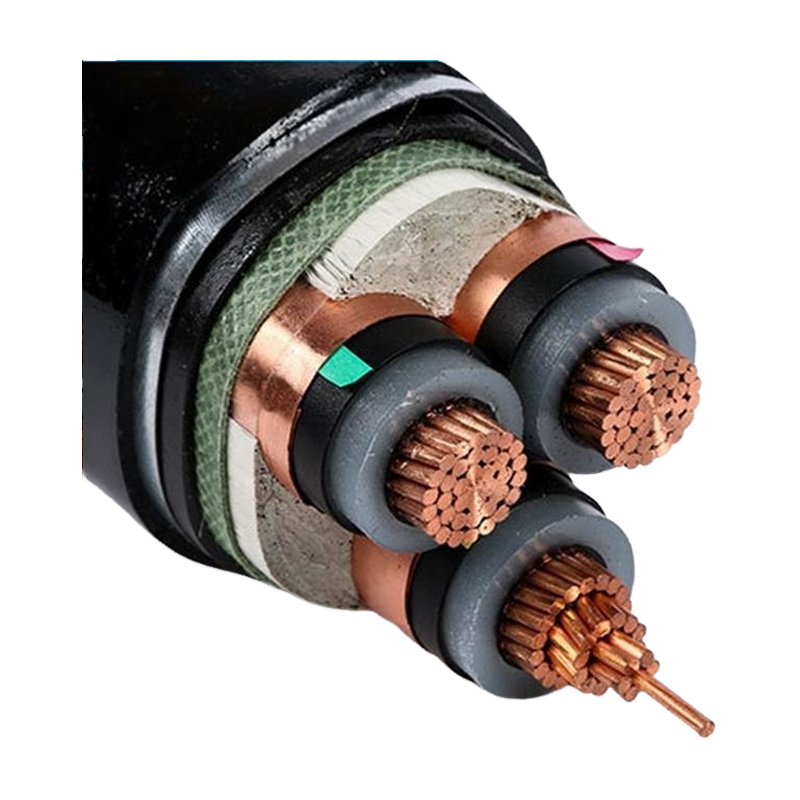
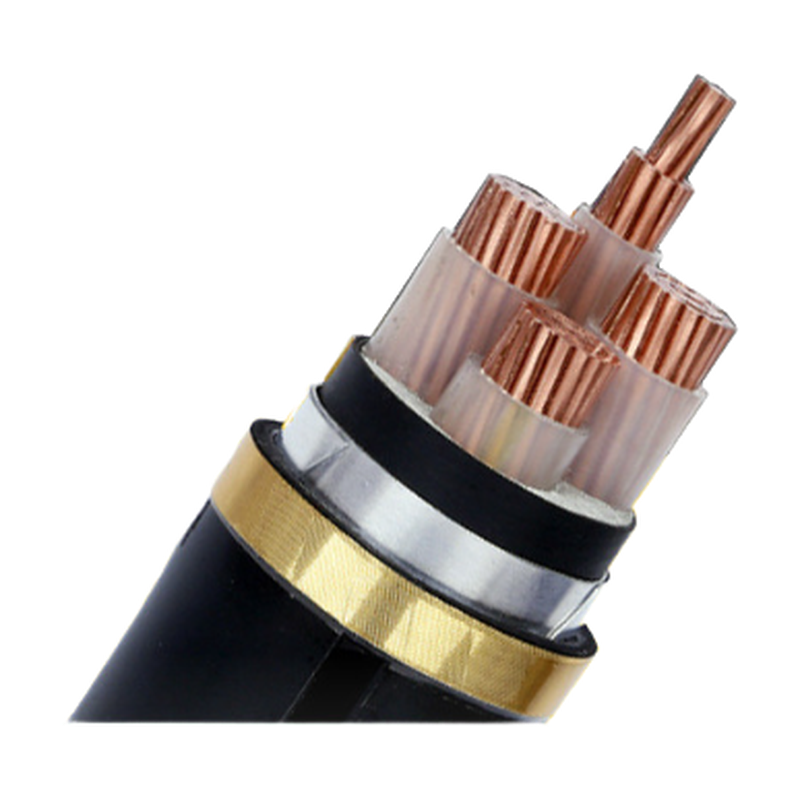
- Waterproof Structure: Integrates tight insulation-sheath bonding, overlapping armor (optional), and water-blocking tape/filler to prevent moisture ingress. Rated IP67/IP68 for submerged or heavy rain environments.
- Voltage Rating: 300/500V to 450/750V, optimized for low-to-medium voltage power and signal transmission in wet conditions.
- Core Configuration: 2-core to 37-core options, supporting simple wiring and complex multi-circuit systems.
- Sheathing: Thickened waterproof PVC outer sheath, available in flame-retardant (FR) and UV-resistant variants for outdoor durability.
Key Applications
- Outdoor Infrastructure: Ideal for garden lighting, landscape irrigation systems, and outdoor power outlets—withstanding rain, dew, and soil moisture.
- Industrial Wet Zones: Used in water treatment plants, food processing facilities, and car washes, resisting splashes, cleaning chemicals, and high humidity.
- Marine & Coastal Projects: Applied in shipboard wiring, coastal lighting, and offshore platforms (non-submerged areas), adapting to saltwater spray and damp marine environments.
- Residential & Commercial: Suitable for basement wiring, swimming pool equipment, and bathroom power supply—complying with wet-location safety codes.
- Construction Sites: Used for temporary power lines and outdoor construction tools, enduring rain, mud, and harsh job site conditions.
Competitive Advantages
- Superior Waterproof Performance: Multi-layer moisture barrier design prevents water ingress, ensuring electrical safety and performance in wet environments.
- Cost-Effective: More affordable than rubber or XLPE waterproof alternatives, making it ideal for large-scale outdoor or wet-area projects.
- Durable & UV Resistant: PVC sheathing resists UV radiation, aging, and mechanical damage, extending service life in outdoor settings.
- Easy Installation: Flexible design and compatibility with waterproof connectors simplify routing and termination, reducing labor costs.
- Global Compliance: Meets international safety and waterproof standards, facilitating cross-border project deployment and regulatory approval.
Installation & Maintenance Tips
- Use waterproof cable glands and connectors to seal terminations—avoid standard connectors that may compromise moisture resistance.
- Adhere to the minimum bending radius (6-8 times the cable diameter) to protect the waterproof structure and insulation.
- For underground installations, bury the cable in protective conduits or use armored waterproof cable to prevent physical damage.
- Avoid exposing the cable to extreme temperatures (above 70°C or below -15°C) as it may degrade PVC insulation.
- Regularly inspect for sheath cracks, abrasion, or water ingress—replace damaged sections promptly to maintain waterproof integrity.
PVC insulated waterproof cables balance reliability, affordability, and moisture resistance, making them a preferred choice for wet and outdoor applications. Their robust waterproof design, cost-effectiveness, and wide application range ensure safe electrical transmission—from residential gardens and industrial plants to coastal infrastructure worldwide.
XLPE Insulated Underground Cable: Specifications and Applications
XLPE Insulated Fire Resistant Cable: Specifications and Applications
Related Article

XLPE (cross-linked polyethylene) insulated solar cables are specialized for photovoltaic (PV) systems, combining XLPE’s thermal stability with resistance to UV radiation, extreme temperatures, and environmental stress. Compliant with international standards including IEC 60228, TÜV 2Pfg 1169, and UL 4703,
XLPE Insulated Solar Cable: Specifications and Applications

Copper twin and earth cable is a specialized wiring solution designed for low-voltage power distribution, featuring two current-carrying conductors and a separate earth (ground) conductor—all insulated and sheathed in a single jacket. Compliant with international standards including IEC 60245, BS 6004, and UL 1015, this cable is the backbone of residential, commercial, and light industrial wiring worldwide, valued for its safety, simplicity, and cost-effectiveness.
Copper Twin and Earth Cable: Specifications and Applications

Aluminum overhead cables are a cornerstone of long-distance power transmission, combining aluminum’s lightweight design with excellent conductivity-to-cost ratio. Compliant with international standards including IEC 60889, ASTM B230, and BS 215, these cables are optimized for aerial installation—trusted across global power grids, rural electrification, and infrastructure projects where overhead routing is efficient and cost-effective
Aluminum Overhead Cable: Specifications and Applications

XLPE (cross-linked polyethylene) insulated underground cables are engineered for reliable power transmission and distribution in buried environments, combining XLPE’s thermal stability with robust protection against soil corrosion, moisture, and mechanical damage.
XLPE Insulated Underground Cable: Specifications and Applications