

XLPE Insulated Fire Resistant Cable: Specifications and Applications
author: shenzhou yongli
2025-12-08
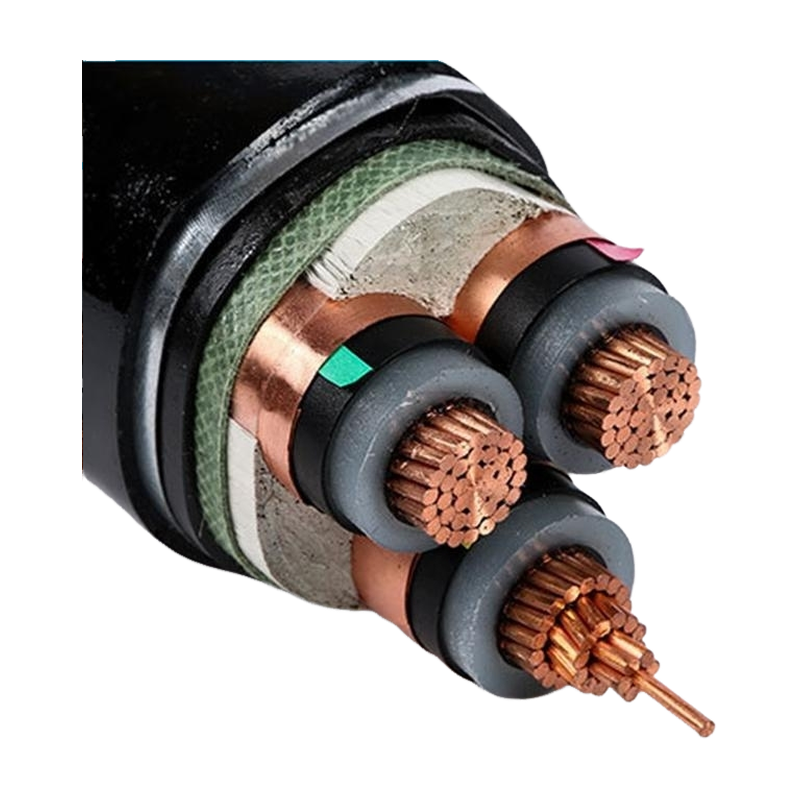
XLPE (cross-linked polyethylene) insulated fire resistant cables are engineered for critical power and signal transmission during fire emergencies, combining XLPE’s thermal stability with fire-resistant structures that maintain performance under high temperatures. Compliant with international standards including IEC 60331, UL 2196, and BS 6387, these cables are indispensable for projects where life safety and operational continuity are non-negotiable—trusted across global industrial, commercial, and infrastructure sectors.
Core Specifications
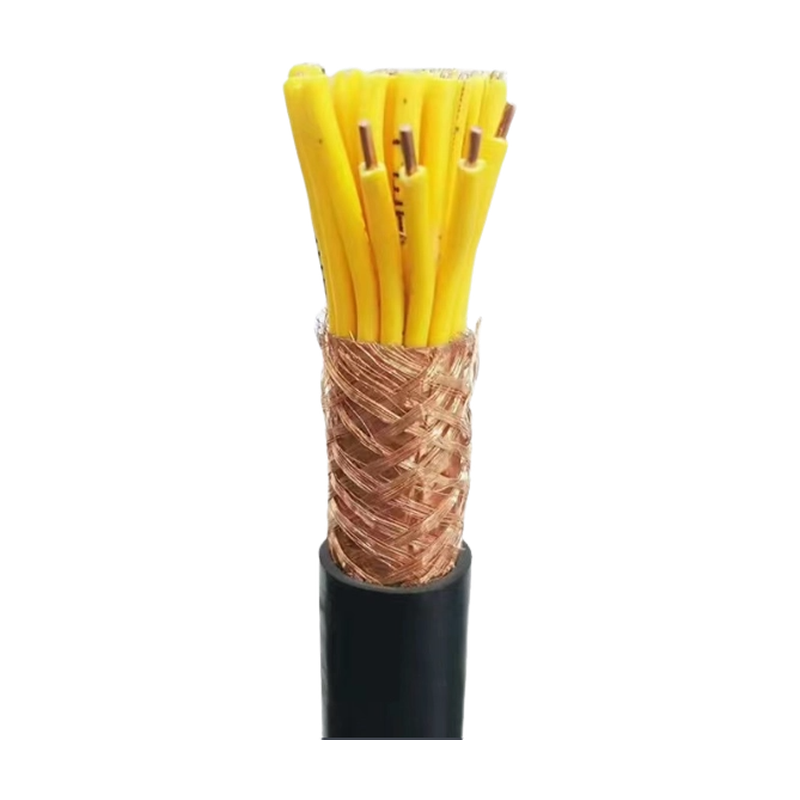
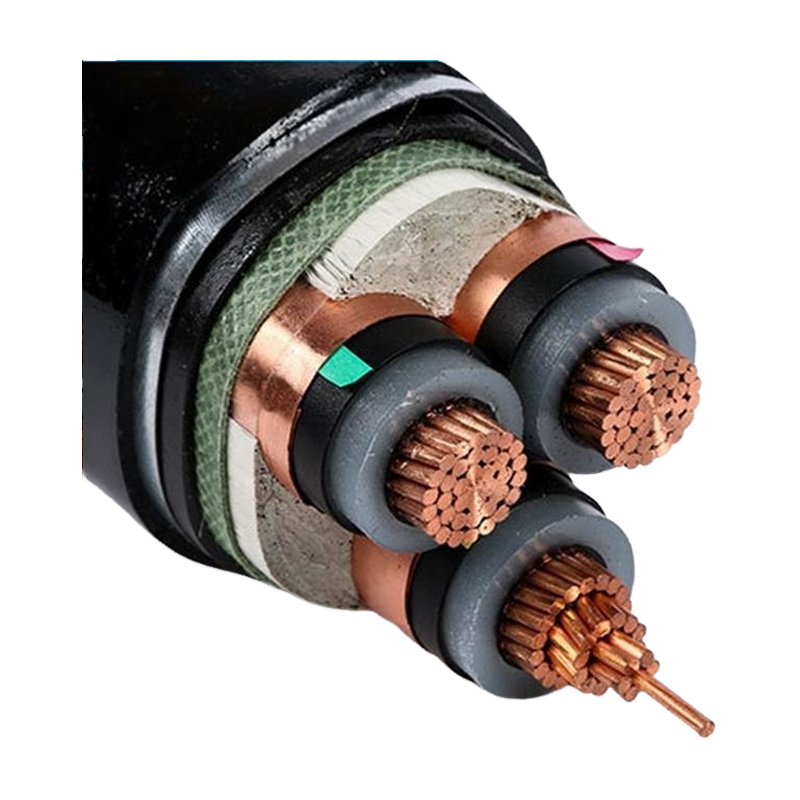
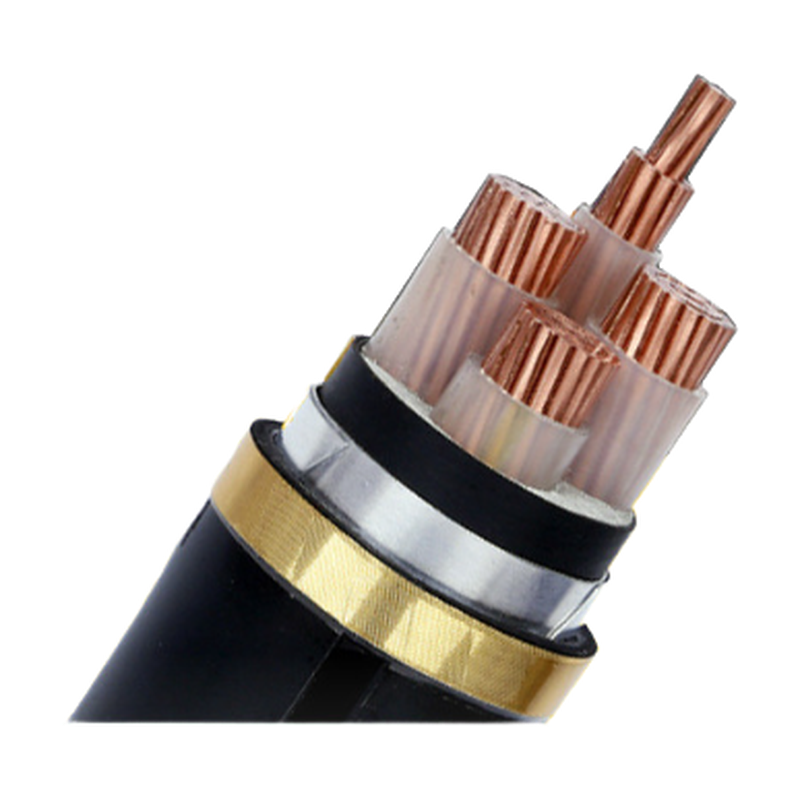
- Conductor: Solid or stranded copper conductors (Class 1/2), with cross-sectional areas from 0.75mm² to 120mm². Ensures stable current carrying and compatibility with fire-resistant shielding.
- Insulation: High-grade XLPE insulation, operating within a temperature range of -40°C to 90°C (normal use) and maintaining integrity at 750-950°C for 1-3 hours (fire conditions). Offers low dielectric loss and mechanical strength.
- Voltage Rating: 450/750V to 1kV, optimized for low-to-medium voltage critical circuits and emergency power systems.
- Fire Resistant Structure: Integrates mica tape or ceramic fiber wrapping (fire barrier layer) around conductors, preventing flame penetration and maintaining insulation performance during combustion.
- Core Configuration: 2-core to 37-core options, supporting single-circuit power supply and multi-channel signal transmission.
- Sheathing: Flame-retardant PVC, LSZH (low smoke zero halogen), or HDPE outer sheath, reducing toxic fumes and smoke density during fires.
Key Applications
- Commercial & Public Buildings: Essential for emergency lighting, fire alarm systems, and elevator power in malls, hospitals, and high-rises—ensuring safe evacuation and critical system operation.
- Industrial Facilities: Used in refineries, data centers, and manufacturing plants, supporting emergency shutdown systems and backup power networks during fire incidents.
- Infrastructure Projects: Applied in subway systems, railway signaling, and airport terminals, maintaining power for control systems and emergency services.
- Healthcare & Critical Services: Ideal for hospital life support equipment, data center servers, and telecommunications hubs—minimizing downtime during crises.
- Residential Complexes: Integrated into fire sprinkler systems and emergency exit lighting, enhancing safety for high-density living spaces.
Competitive Advantages
- Exceptional Fire Resistance: Maintains electrical continuity at 750-950°C for 1-3 hours (per IEC 60331), outperforming standard flame-retardant cables in critical scenarios.
- Thermal Stability: XLPE insulation resists thermal aging and deformation, ensuring long service life (30+ years) under normal operating conditions.
- Low Smoke & Toxicity: LSZH sheathing options reduce smoke density and toxic gas emission, improving visibility and safety during fires.
- Reliable Signal/Power Transmission: Low dielectric loss minimizes signal attenuation, even in high-temperature environments, supporting critical data and power delivery.
- Global Compliance: Meets strict international fire safety standards, facilitating cross-border project deployment and regulatory approval.
Installation & Maintenance Tips
- Route the fire resistant cable separately from non-critical cables, using fire-stop barriers at wall/floor penetrations to enhance containment.
- Adhere to the minimum bending radius (8-10 times the cable diameter) to protect the mica tape barrier and XLPE insulation.
- Avoid exposure to oil or chemicals, as they may compromise the fire-resistant layer—use chemical-resistant sheathing for industrial environments.
- Conduct regular insulation resistance and fire performance tests (per local codes) to ensure emergency readiness.
- Use compatible terminals and joints designed for high-temperature stability, preventing connection failure during fires.
XLPE insulated fire resistant cables balance critical performance, durability, and safety, making them the gold standard for emergency power systems. Their ability to maintain operation during fires, combined with XLPE’s inherent reliability and global compliance, ensures life safety and operational continuity across the most demanding projects—from hospitals and data centers to urban infrastructure worldwide.
PVC Insulated Waterproof Cable: Specifications and Applications
PVC Insulated Flame Retardant Cable: Specifications and Applications
Related Article

XLPE (cross-linked polyethylene) insulated solar cables are specialized for photovoltaic (PV) systems, combining XLPE’s thermal stability with resistance to UV radiation, extreme temperatures, and environmental stress. Compliant with international standards including IEC 60228, TÜV 2Pfg 1169, and UL 4703,
XLPE Insulated Solar Cable: Specifications and Applications

Copper twin and earth cable is a specialized wiring solution designed for low-voltage power distribution, featuring two current-carrying conductors and a separate earth (ground) conductor—all insulated and sheathed in a single jacket. Compliant with international standards including IEC 60245, BS 6004, and UL 1015, this cable is the backbone of residential, commercial, and light industrial wiring worldwide, valued for its safety, simplicity, and cost-effectiveness.
Copper Twin and Earth Cable: Specifications and Applications

Aluminum overhead cables are a cornerstone of long-distance power transmission, combining aluminum’s lightweight design with excellent conductivity-to-cost ratio. Compliant with international standards including IEC 60889, ASTM B230, and BS 215, these cables are optimized for aerial installation—trusted across global power grids, rural electrification, and infrastructure projects where overhead routing is efficient and cost-effective
Aluminum Overhead Cable: Specifications and Applications

XLPE (cross-linked polyethylene) insulated underground cables are engineered for reliable power transmission and distribution in buried environments, combining XLPE’s thermal stability with robust protection against soil corrosion, moisture, and mechanical damage.
XLPE Insulated Underground Cable: Specifications and Applications