


PVC Insulated Flame Retardant Cable: Specifications and Applications
author: shenzhou yongli
2025-12-05
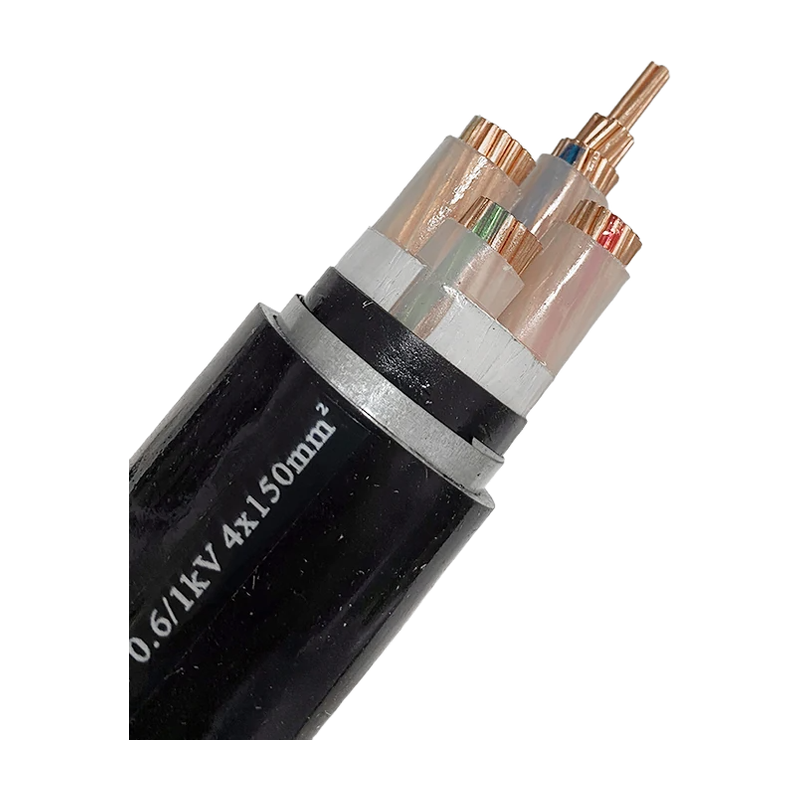
PVC insulated flame retardant cables are specialized for safe electrical transmission in fire-prone environments, combining PVC’s cost-effectiveness with flame-retardant properties that limit fire spread. Compliant with international standards including IEC 60227, UL 1015, and BS 6387, these cables are trusted in residential, commercial, and industrial projects worldwide where fire safety is a critical requirement.
Core Specifications
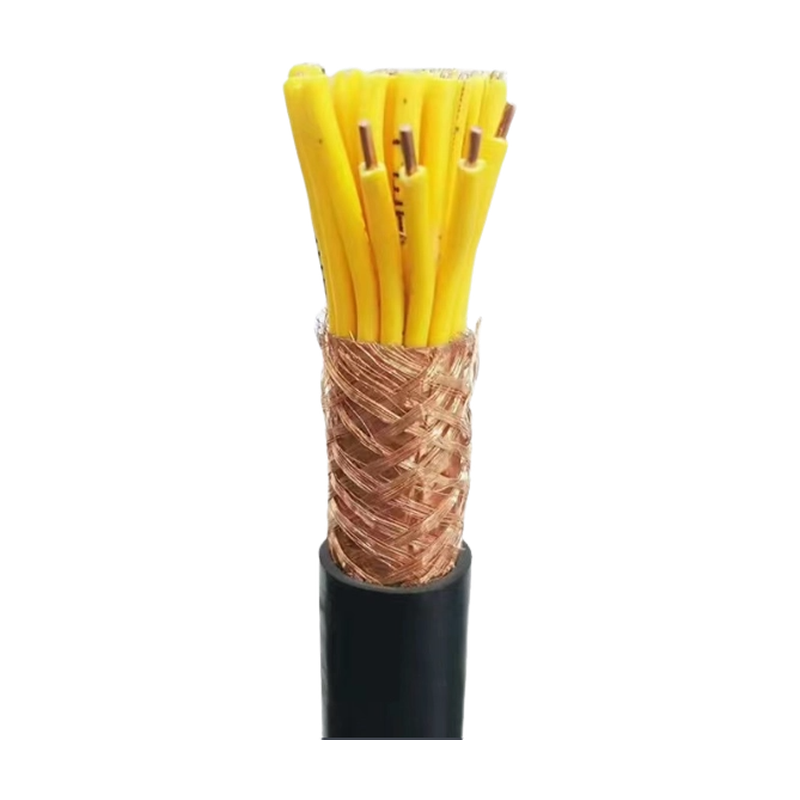
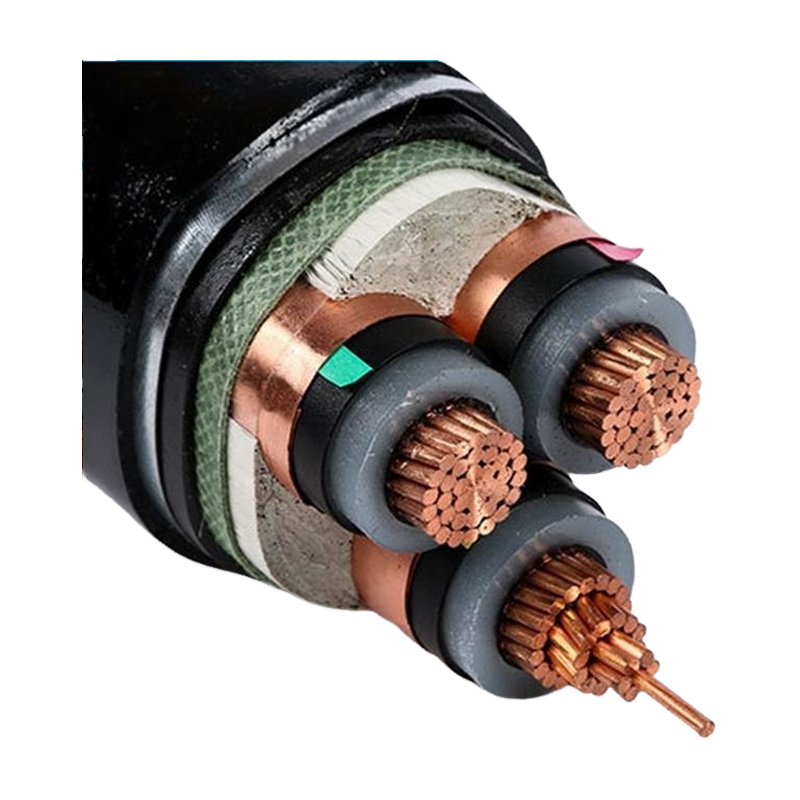
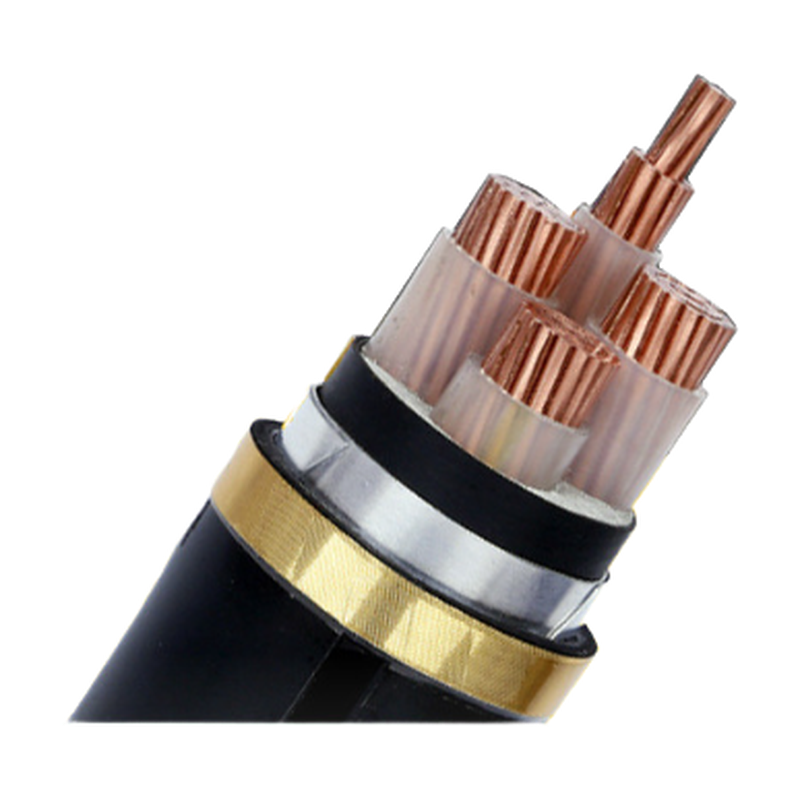
- Conductor: Solid or stranded copper conductors (Class 1/2), with cross-sectional areas from 0.5mm² to 10mm². Stranded conductors offer flexibility for tight routing, while solid conductors ensure stable power delivery.
- Insulation: Flame-retardant PVC (polyvinyl chloride) insulation, operating within a temperature range of -15°C to 70°C. It provides excellent electrical insulation, mechanical protection, and inherent flame-retardant performance.
- Voltage Rating: 300/500V to 450/750V, optimized for low-to-medium voltage power distribution and control circuits.
- Core Configuration: 2-core to 61-core options, catering to simple wiring and complex multi-circuit systems.
- Flame Retardancy Level: Meets IEC 60332-3 (single cable) and IEC 60332-1 (bundle) standards, classified as FR1/FR2/FR3 for different fire resistance requirements.
- Sheathing: Flame-retardant PVC outer sheath, available in halogen-containing or low-smoke variants to reduce toxic fumes during combustion.
Key Applications
- Residential Buildings: Ideal for home wiring, smart home systems, and apartment complexes—minimizing fire risks in living spaces.
- Commercial & Public Spaces: Used in malls, hotels, hospitals, and office buildings, complying with strict fire safety codes for public gatherings.
- Industrial Facilities: Powers manufacturing plants, warehouses, and processing centers, where machinery and electrical loads demand fire-safe cabling.
- Infrastructure Projects: Applied in railway stations, airports, and subway systems, ensuring critical power supply continuity during fire emergencies.
- Data Centers & Telecommunications: Suitable for server rooms and network infrastructure, protecting equipment and data by limiting fire spread.
Competitive Advantages
- Superior Fire Safety: Flame-retardant PVC insulation inhibits fire propagation, reducing smoke and toxic gas emission to protect lives and property.
- Cost-Effective: More affordable than fire-resistant cables (e.g., mineral-insulated cables), making it ideal for large-scale projects with budget constraints.
- Reliable Performance: Maintains electrical integrity under normal conditions, with flame-retardant properties activated only in fire scenarios.
- Easy Installation: Flexible design and compatibility with standard connectors simplify routing and termination, reducing labor costs.
- Global Compliance: Meets international fire safety and performance standards, facilitating cross-border project deployment.
Installation & Maintenance Tips
- Avoid routing the flame retardant cable near high-temperature sources (e.g., heaters, industrial furnaces) to preserve PVC insulation.
- Adhere to the minimum bending radius (6-8 times the cable diameter) to prevent insulation damage and maintain flame-retardant effectiveness.
- For vertical installations (e.g., high-rises), use fire-stop sleeves at floor penetrations to enhance fire containment.
- Regularly inspect for sheath cracks or abrasion—damaged insulation may compromise flame-retardant performance.
- Follow local fire codes and engage certified technicians for installation, ensuring compliance with safety regulations.
PVC insulated flame retardant cables balance safety, affordability, and practicality, making them a preferred choice for fire-conscious projects. Their flame-retardant properties, cost-effectiveness, and wide application range ensure reliable electrical transmission while mitigating fire risks—from homes and offices to critical industrial and infrastructure systems worldwide.
XLPE Insulated Fire Resistant Cable: Specifications and Applications
PE Insulated Data Cable: Specifications and Applications
Related Article

XLPE (cross-linked polyethylene) insulated solar cables are specialized for photovoltaic (PV) systems, combining XLPE’s thermal stability with resistance to UV radiation, extreme temperatures, and environmental stress. Compliant with international standards including IEC 60228, TÜV 2Pfg 1169, and UL 4703,
XLPE Insulated Solar Cable: Specifications and Applications

Copper twin and earth cable is a specialized wiring solution designed for low-voltage power distribution, featuring two current-carrying conductors and a separate earth (ground) conductor—all insulated and sheathed in a single jacket. Compliant with international standards including IEC 60245, BS 6004, and UL 1015, this cable is the backbone of residential, commercial, and light industrial wiring worldwide, valued for its safety, simplicity, and cost-effectiveness.
Copper Twin and Earth Cable: Specifications and Applications

Aluminum overhead cables are a cornerstone of long-distance power transmission, combining aluminum’s lightweight design with excellent conductivity-to-cost ratio. Compliant with international standards including IEC 60889, ASTM B230, and BS 215, these cables are optimized for aerial installation—trusted across global power grids, rural electrification, and infrastructure projects where overhead routing is efficient and cost-effective
Aluminum Overhead Cable: Specifications and Applications

XLPE (cross-linked polyethylene) insulated underground cables are engineered for reliable power transmission and distribution in buried environments, combining XLPE’s thermal stability with robust protection against soil corrosion, moisture, and mechanical damage.
XLPE Insulated Underground Cable: Specifications and Applications