

Rubber Insulated Flexible Cable: Specifications and Applications
author: shenzhou young li
2025-12-03

Rubber insulated flexible cables are engineered for dynamic, high-mobility electrical connections, combining exceptional flexibility with robust resistance to harsh environments. Compliant with international standards including IEC 60245, UL 62, and BS 6500, these cables are the go-to choice for applications requiring frequent bending, twisting, or exposure to extreme temperatures, oils, and chemicals—trusted across industrial, construction, and mobile equipment projects worldwide.
Core Specifications
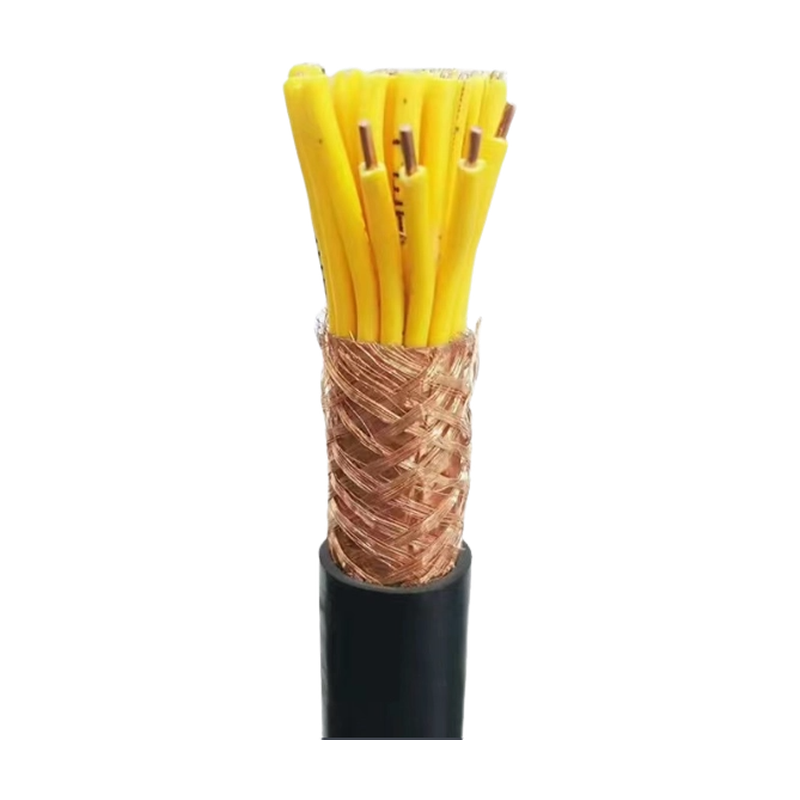
- Conductor: Stranded copper conductors (Class 5/6, fine stranding), with cross-sectional areas from 0.75mm² to 50mm². Fine stranding ensures maximum flexibility for repeated movement.
- Insulation: High-grade rubber compounds (EPDM, neoprene, or silicone rubber), operating within a temperature range of -40°C to 105°C (silicone up to 180°C). Delivers excellent electrical insulation, elasticity, and resistance to aging.
- Voltage Rating: 300/500V to 450/750V, optimized for low-to-medium voltage mobile power and signal transmission.
- Core Configuration: 2-core to 16-core options, with 绞合(stranded)or bunched core designs for enhanced flexibility.
- Sheathing: Rubber or PVC outer sheath, available in flame-retardant (FR), oil-resistant, and halogen-free variants. Rubber sheathing offers superior flexibility matching the insulation.
- Reinforcement: Optional textile braid or steel wire reinforcement for mechanical protection in heavy-duty applications.
Key Applications
- Industrial Machinery: Powers motors, conveyors, robotic arms, and portable equipment—withstanding constant bending and vibration in manufacturing plants.
- Construction & Mining: Used in construction tools, mining equipment, and temporary power lines—resisting dust, moisture, and physical impact on job sites.
- Marine & Offshore: Ideal for shipboard wiring, offshore platforms, and coastal infrastructure—with oil-resistant rubber adapting to saltwater and harsh marine environments.
- Automotive & Transportation: Integrates with electric vehicles (EVs), buses, and trains—supporting flexible routing in tight spaces and temperature fluctuations.
- Portable Power: Suitable for extension cords, generator cables, and temporary event setups—combining flexibility with reliable power delivery.
Competitive Advantages
- Exceptional Flexibility: Fine-stranded conductors and rubber insulation enable repeated bending (minimum radius 5-8 times cable diameter) without performance loss.
- Harsh Environment Resistance: Resists oils, chemicals, UV radiation, and extreme temperatures—outperforming PVC cables in demanding conditions.
- Durable Performance: Rubber’s elasticity absorbs vibration and impact, extending service life in mobile or heavy-duty applications.
- Safe Operation: Flame-retardant and halogen-free variants minimize fire risks, complying with safety standards for industrial and public spaces.
- Global Compliance: Meets international performance and safety standards, facilitating cross-border project deployment.
Installation & Maintenance Tips
- Avoid overstretching or kinking the cable—use cable reels for storage to preserve flexibility.
- Choose the right rubber type: EPDM for outdoor/weather resistance, neoprene for oil resistance, silicone for high temperatures.
- Use waterproof connectors for outdoor or wet installations to prevent moisture ingress.
- Regularly inspect for sheath damage (cracks, abrasion) and replace if compromised—rubber degradation can affect insulation.
- Follow local electrical codes and use compatible terminals for secure connections, especially in high-vibration environments.
Rubber insulated flexible cables balance mobility, durability, and reliability, making them indispensable for dynamic electrical systems. Their ability to perform in harsh conditions, combined with global compliance and versatile applications, ensures seamless power delivery—from industrial robots to construction sites and marine vessels worldwide.
PE Insulated Data Cable: Specifications and Applications
Tinned Copper Communication Cable: Specifications and Applications
Related Article

XLPE (cross-linked polyethylene) insulated solar cables are specialized for photovoltaic (PV) systems, combining XLPE’s thermal stability with resistance to UV radiation, extreme temperatures, and environmental stress. Compliant with international standards including IEC 60228, TÜV 2Pfg 1169, and UL 4703,
XLPE Insulated Solar Cable: Specifications and Applications

Copper twin and earth cable is a specialized wiring solution designed for low-voltage power distribution, featuring two current-carrying conductors and a separate earth (ground) conductor—all insulated and sheathed in a single jacket. Compliant with international standards including IEC 60245, BS 6004, and UL 1015, this cable is the backbone of residential, commercial, and light industrial wiring worldwide, valued for its safety, simplicity, and cost-effectiveness.
Copper Twin and Earth Cable: Specifications and Applications

Aluminum overhead cables are a cornerstone of long-distance power transmission, combining aluminum’s lightweight design with excellent conductivity-to-cost ratio. Compliant with international standards including IEC 60889, ASTM B230, and BS 215, these cables are optimized for aerial installation—trusted across global power grids, rural electrification, and infrastructure projects where overhead routing is efficient and cost-effective
Aluminum Overhead Cable: Specifications and Applications

XLPE (cross-linked polyethylene) insulated underground cables are engineered for reliable power transmission and distribution in buried environments, combining XLPE’s thermal stability with robust protection against soil corrosion, moisture, and mechanical damage.
XLPE Insulated Underground Cable: Specifications and Applications