
Copper Communication Cable: Specifications and Applications
author: shenzhou yongli
2025-11-27
Copper communication cables are the backbone of wired data transmission systems, valued for their exceptional conductivity, low signal loss, and cost-effective performance. Compliant with international standards including IEC 60228, UL 444, and TIA/EIA 568, these cables are trusted for reliable voice, data, and video transmission across industrial, commercial, residential, and infrastructure projects worldwide.
Core Specifications
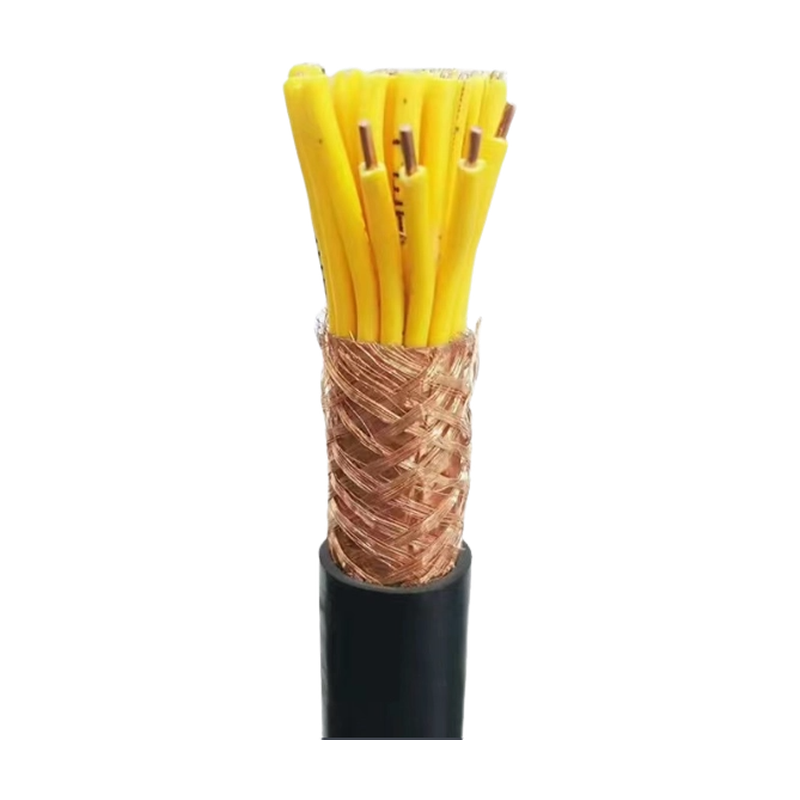
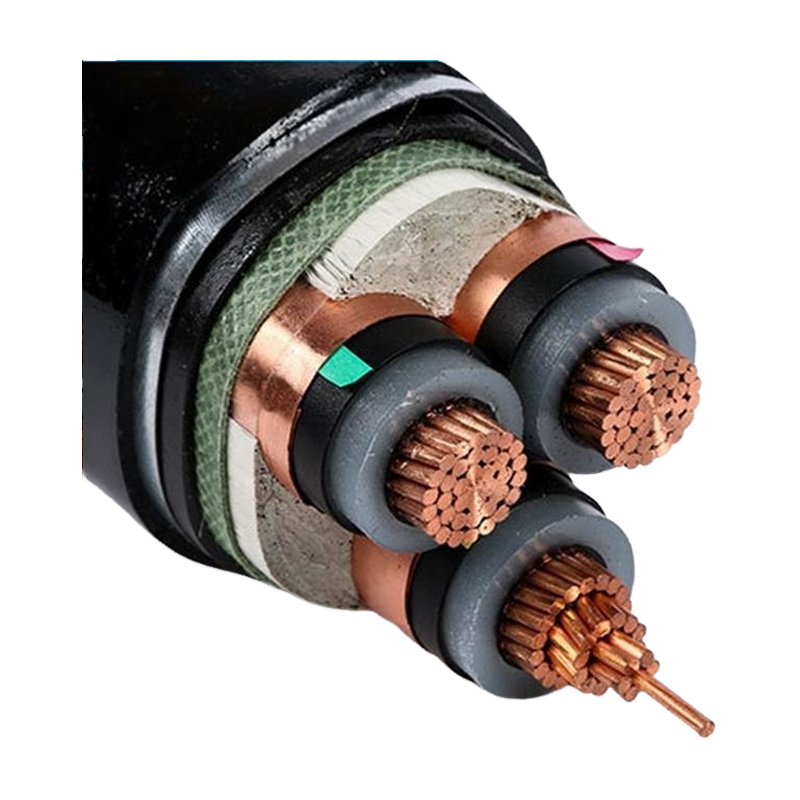
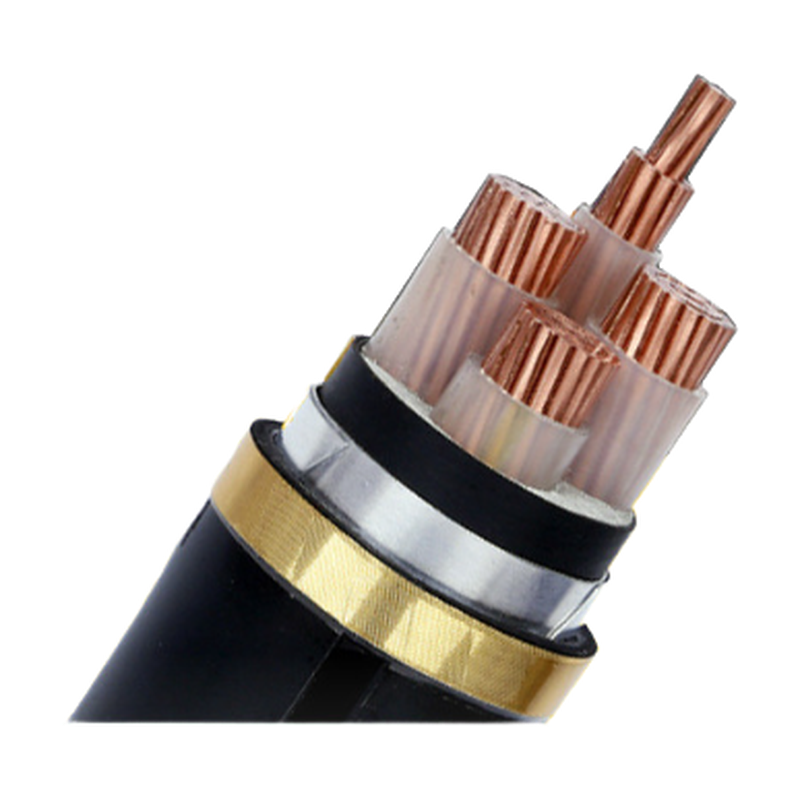
- Conductor: Solid or stranded copper conductors (Class 1/2/5), with cross-sectional areas from 0.4mm² to 2.5mm². Stranded conductors offer flexibility for frequent bending, while solid conductors ensure stable long-distance transmission.
- Insulation: HDPE (high-density polyethylene) or PVC insulation, operating within a temperature range of -40°C to 75°C. It provides excellent electrical insulation, moisture resistance, and protection against abrasion.
- Voltage Rating: 100V to 600V, optimized for low-voltage communication circuits and data transfer.
- Core Configuration: 2-core, 4-core, 8-core, and up to 25-pair options, with twisted pair (UTP/STP/FTP) designs to reduce crosstalk and electromagnetic interference (EMI).
- Shielding: Optional unshielded (UTP), shielded (STP), or foil-shielded (FTP) variants, with tinned copper braid shielding for high-interference environments.
- Sheathing: PVC, LSZH (low smoke zero halogen), or PE outer sheath, available in flame-retardant grades for safety-critical applications.
Key Applications
- Industrial Communication: Connects PLCs, SCADA systems, and industrial sensors in manufacturing plants, supporting real-time data exchange for automation.
- Telecommunications: Used in telephone networks, broadband internet connections, and fiber-optic backhaul links, ensuring clear voice and high-speed data transmission.
- Commercial Buildings: Integrated into offices, data centers, and malls for structured cabling (Cat5e, Cat6, Cat7), enabling network connectivity for devices and servers.
- Residential Developments: Ideal for home networking, smart home systems, and TV/cable connections, providing reliable wired access for household devices.
- Infrastructure Projects: Applied in railway signaling, security systems, and smart city initiatives, supporting critical communication for public services.
Competitive Advantages
- Superior Conductivity: Copper’s high electrical conductivity minimizes signal attenuation, ensuring clear data transmission over long distances (up to 100m for Cat6 cables).
- Cost-Effective: More affordable than fiber-optic cables, with lower installation and maintenance costs, making it ideal for budget-sensitive projects.
- Easy Installation: Flexible design allows for routing in tight spaces, and compatibility with standard connectors (RJ45, BNC) simplifies termination.
- Versatile Compatibility: Works with legacy and modern systems, supporting data rates from 10Mbps (Cat5) to 10Gbps (Cat6a/Cat7).
- Global Compliance: Meets international safety and performance standards, facilitating cross-border project deployment.
Installation & Maintenance Tips
- Use shielded cables (STP/FTP) in industrial environments or near power cables to avoid EMI and crosstalk.
- Adhere to the minimum bending radius (6-10 times the cable diameter) to prevent insulation damage and signal loss.
- For outdoor or wet installations, choose water-resistant sheathing (PE or LSZH) and protective conduits.
- Avoid overstretching the cable during installation, as it can damage conductors and affect performance.
- Conduct regular continuity and insulation resistance tests to monitor signal integrity and prevent network failures.
Copper communication cables combine reliability, versatility, and affordability, making them the preferred choice for wired communication systems. Their compliance with global standards, wide application range, and compatibility with modern technologies ensure seamless data transmission for diverse projects—from small residential networks to large-scale industrial automation.
Aluminum Power Cable: Specifications and Applications
XLPE Insulated Instrumentation Cable: Specifications and Applications
Related Article
XLPE (cross-linked polyethylene) insulated solar cables are specialized for photovoltaic (PV) systems, combining XLPE’s thermal stability with resistance to UV radiation, extreme temperatures, and environmental stress. Compliant with international standards including IEC 60228, TÜV 2Pfg 1169, and UL 4703,
XLPE Insulated Solar Cable: Specifications and Applications
Copper twin and earth cable is a specialized wiring solution designed for low-voltage power distribution, featuring two current-carrying conductors and a separate earth (ground) conductor—all insulated and sheathed in a single jacket. Compliant with international standards including IEC 60245, BS 6004, and UL 1015, this cable is the backbone of residential, commercial, and light industrial wiring worldwide, valued for its safety, simplicity, and cost-effectiveness.
Copper Twin and Earth Cable: Specifications and Applications
Aluminum overhead cables are a cornerstone of long-distance power transmission, combining aluminum’s lightweight design with excellent conductivity-to-cost ratio. Compliant with international standards including IEC 60889, ASTM B230, and BS 215, these cables are optimized for aerial installation—trusted across global power grids, rural electrification, and infrastructure projects where overhead routing is efficient and cost-effective
Aluminum Overhead Cable: Specifications and Applications
XLPE (cross-linked polyethylene) insulated underground cables are engineered for reliable power transmission and distribution in buried environments, combining XLPE’s thermal stability with robust protection against soil corrosion, moisture, and mechanical damage.
XLPE Insulated Underground Cable: Specifications and Applications