

PVC Insulated Control Cable: Specifications and Applications
author: Shenzhou Yongli Cable Pass
2025-11-20
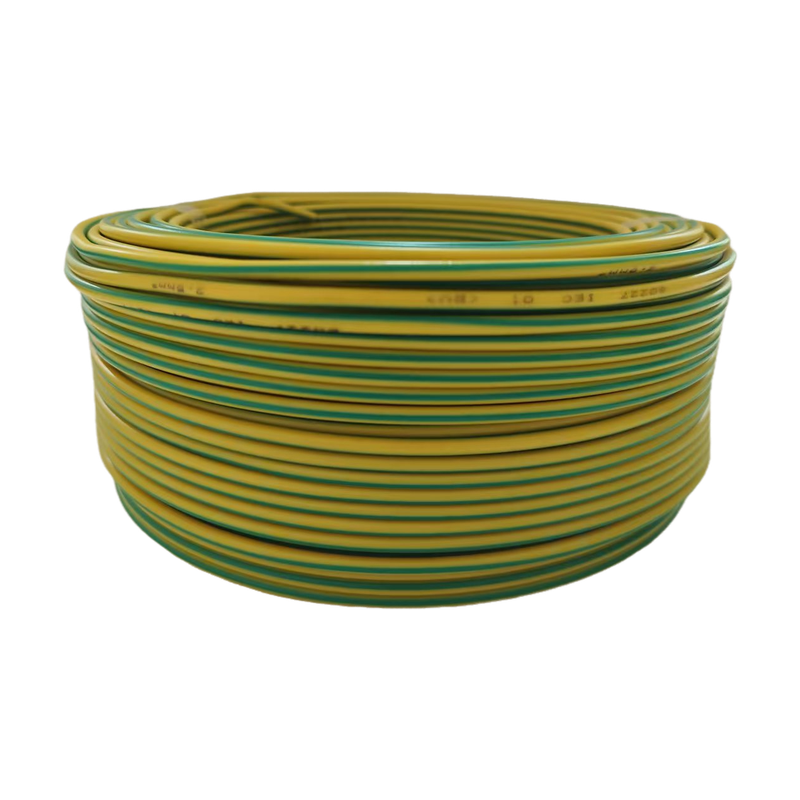
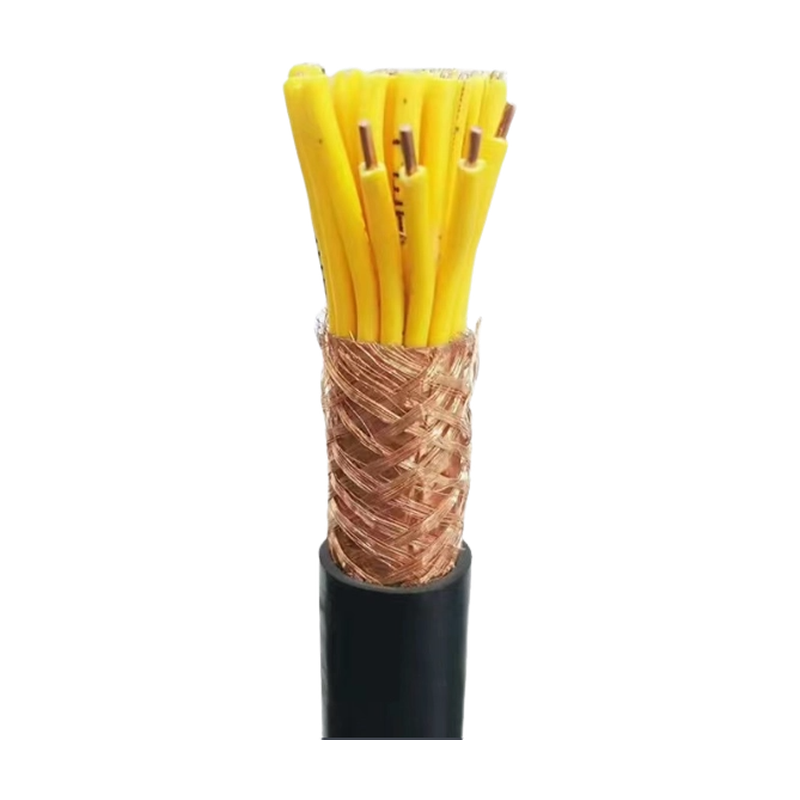
PVC insulated control cables are essential components in industrial automation and electrical control systems, valued for their reliable signal transmission, cost-effectiveness, and adaptability. Compliant with international standards such as IEC 60227, UL 1015, and BS 6500, these cables serve as the "nervous system" for machinery, equipment, and power distribution networks worldwide.
Core Specifications
- Conductor: Solid or stranded copper conductors, with cross-sectional areas ranging from 0.5mm² to 6mm². Stranded conductors offer enhanced flexibility for installation in tight spaces.
- Insulation: High-grade PVC (polyvinyl chloride) insulation, operating within a temperature range of -15°C to 70°C. It provides excellent electrical insulation, moisture resistance, and mechanical protection.
- Voltage Rating: 300/500V, optimized for low-voltage control signal transmission and auxiliary power supply.
- Core Configuration: 2-core to 61-core options, catering to simple signal lines and complex control circuits.
- Sheathing: Optional PVC outer sheath, available in flame-retardant (FR) and halogen-free variants for safety-critical environments.
Key Applications
- Industrial Automation: Connects PLCs, sensors, actuators, and control panels in manufacturing plants, ensuring precise signal transmission for production lines.
- Machinery & Equipment: Used in motors, pumps, conveyors, and industrial robots, facilitating seamless communication between control units and components.
- Building Automation: Integrates with HVAC systems, lighting controls, and security systems in commercial buildings and smart residences.
- Power Distribution: Serves as auxiliary cables in switchgear, transformers, and power stations for control and monitoring functions.
- Infrastructure Projects: Applied in railway signaling systems, water treatment plants, and renewable energy facilities (solar/wind) for remote control operations.
Competitive Advantages
- Reliable Signal Transmission: Low capacitance and resistance ensure stable signal integrity, minimizing interference in industrial environments.
- Cost-Effective: PVC insulation reduces production costs compared to XLPE or rubber alternatives, ideal for budget-conscious projects.
- Easy Installation: Flexible design allows for bending and routing around equipment, reducing labor time and installation complexity.
- Durable Performance: Resists oil, chemicals, and abrasion, extending service life in harsh industrial conditions.
- Global Compliance: Meets international safety and performance standards, supporting cross-border project deployment.
Installation & Maintenance Tips
- Maintain the minimum bending radius (6-8 times the cable diameter) to avoid insulation damage and signal loss.
- Separate control cables from power cables (minimum 30cm distance) to prevent electromagnetic interference.
- Use cable glands and protective conduits for outdoor or wet installations to ensure moisture resistance.
- Regularly inspect for signs of wear, cracking, or overheating, especially in high-vibration environments.
- Follow local electrical codes and engage certified electricians for termination and maintenance.
PVC insulated control cables balance performance, affordability, and versatility, making them the preferred choice for modern control systems. Whether for industrial automation or building management, their standardized specifications and reliable signal transmission ensure operational efficiency and safety.
XLPE Insulated Control Cable: Specifications and Applications
XLPE Insulated Power Cable: Specifications and Applications
Related Article

XLPE (cross-linked polyethylene) insulated solar cables are specialized for photovoltaic (PV) systems, combining XLPE’s thermal stability with resistance to UV radiation, extreme temperatures, and environmental stress. Compliant with international standards including IEC 60228, TÜV 2Pfg 1169, and UL 4703,
XLPE Insulated Solar Cable: Specifications and Applications

Copper twin and earth cable is a specialized wiring solution designed for low-voltage power distribution, featuring two current-carrying conductors and a separate earth (ground) conductor—all insulated and sheathed in a single jacket. Compliant with international standards including IEC 60245, BS 6004, and UL 1015, this cable is the backbone of residential, commercial, and light industrial wiring worldwide, valued for its safety, simplicity, and cost-effectiveness.
Copper Twin and Earth Cable: Specifications and Applications

Aluminum overhead cables are a cornerstone of long-distance power transmission, combining aluminum’s lightweight design with excellent conductivity-to-cost ratio. Compliant with international standards including IEC 60889, ASTM B230, and BS 215, these cables are optimized for aerial installation—trusted across global power grids, rural electrification, and infrastructure projects where overhead routing is efficient and cost-effective
Aluminum Overhead Cable: Specifications and Applications

XLPE (cross-linked polyethylene) insulated underground cables are engineered for reliable power transmission and distribution in buried environments, combining XLPE’s thermal stability with robust protection against soil corrosion, moisture, and mechanical damage.
XLPE Insulated Underground Cable: Specifications and Applications