


What Is the Process of Professional High-Voltage Cable Design?
author: Shenzhou Yongli Cable Tong
2025-07-11

The first step is understanding the requirements. Engineers start by learning where the cable will be used—whether underground, overhead, or in water. They also note the voltage level, how much power it needs to carry, and the environment it will face, such as temperature changes or exposure to chemicals. This information guides all later decisions.
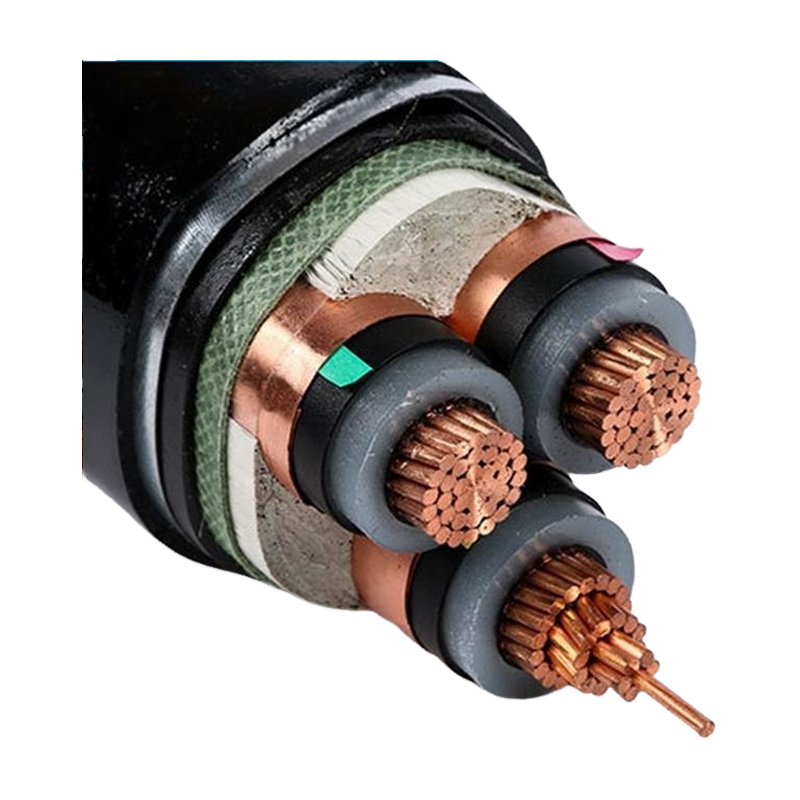
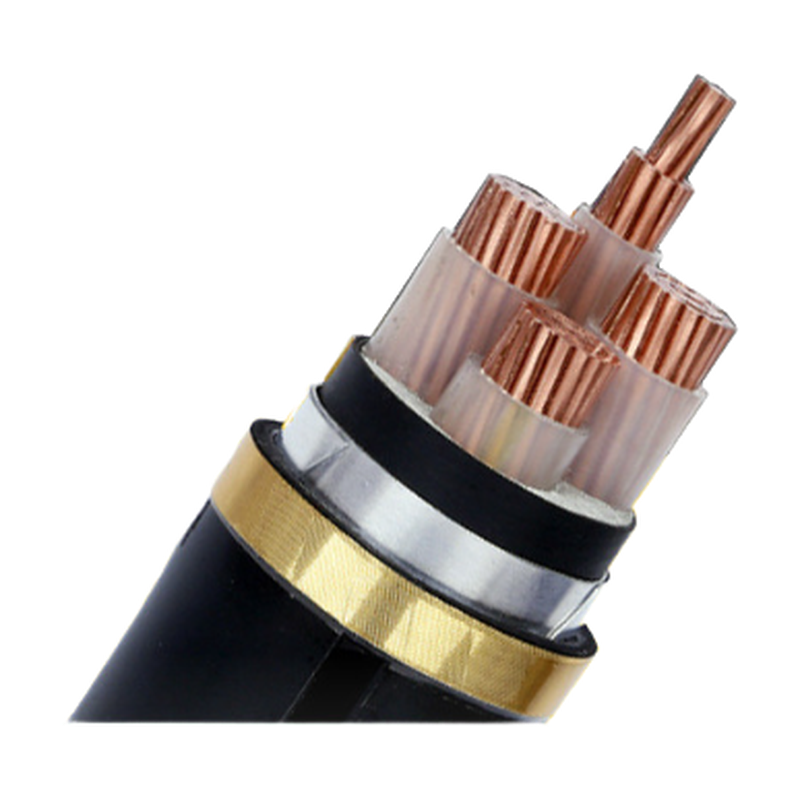
Next comes material selection. The core of the cable, which conducts electricity, is usually made of copper or aluminum because these metals let electricity flow easily. Around the core, insulation is critical. High-voltage cables need thick, durable insulation to prevent electricity from leaking out. Materials like cross-linked polyethylene are often chosen for their ability to handle high temperatures and resist damage.
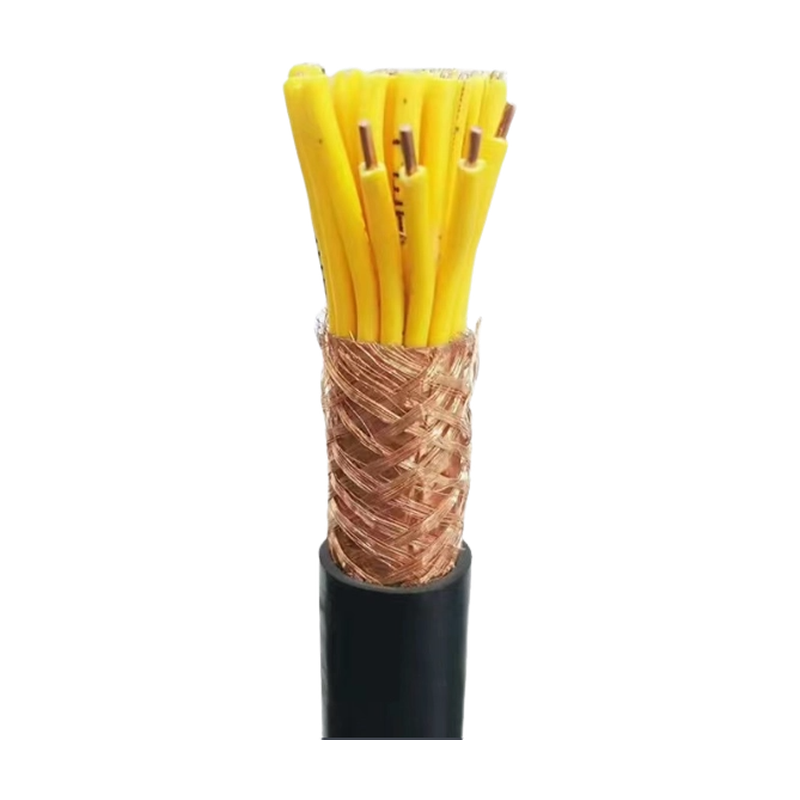
Then, the cable structure is designed. Layers are added to protect the core and insulation. For example, a metal shield might be wrapped around the insulation to redirect any stray electricity away from the surroundings. A outer jacket is added too, made of tough materials to resist physical damage from things like digging or weather.
Testing is a vital part of the process. Prototypes are made and put through various tests. They are checked for how well they handle high voltage, how they stand up to heat, and if they can resist water or chemicals. These tests make sure the cable works as expected and meets safety standards.
Finally, the design is reviewed and adjusted. Engineers look at the test results and make changes if needed. This might mean altering the thickness of insulation or changing a material to improve performance. Once everything checks out, the design is ready for production.
This careful process ensures that high-voltage cables are safe, reliable, and able to do their job effectively in different situations.
What Are the Criteria for Evaluating Low-Voltage Cable Cost-Effectiveness?
Why Is Safety Certification Important for Home Wiring?
Related Article

XLPE (cross-linked polyethylene) insulated solar cables are specialized for photovoltaic (PV) systems, combining XLPE’s thermal stability with resistance to UV radiation, extreme temperatures, and environmental stress. Compliant with international standards including IEC 60228, TÜV 2Pfg 1169, and UL 4703,
XLPE Insulated Solar Cable: Specifications and Applications

Copper twin and earth cable is a specialized wiring solution designed for low-voltage power distribution, featuring two current-carrying conductors and a separate earth (ground) conductor—all insulated and sheathed in a single jacket. Compliant with international standards including IEC 60245, BS 6004, and UL 1015, this cable is the backbone of residential, commercial, and light industrial wiring worldwide, valued for its safety, simplicity, and cost-effectiveness.
Copper Twin and Earth Cable: Specifications and Applications

Aluminum overhead cables are a cornerstone of long-distance power transmission, combining aluminum’s lightweight design with excellent conductivity-to-cost ratio. Compliant with international standards including IEC 60889, ASTM B230, and BS 215, these cables are optimized for aerial installation—trusted across global power grids, rural electrification, and infrastructure projects where overhead routing is efficient and cost-effective
Aluminum Overhead Cable: Specifications and Applications

XLPE (cross-linked polyethylene) insulated underground cables are engineered for reliable power transmission and distribution in buried environments, combining XLPE’s thermal stability with robust protection against soil corrosion, moisture, and mechanical damage.
XLPE Insulated Underground Cable: Specifications and Applications