


What Technical Support Enables Efficient Transmission of High-Voltage Cables?
author: Shenzhou Yongli Cable Tong
2025-07-04
Insulation technology stands at the forefront.
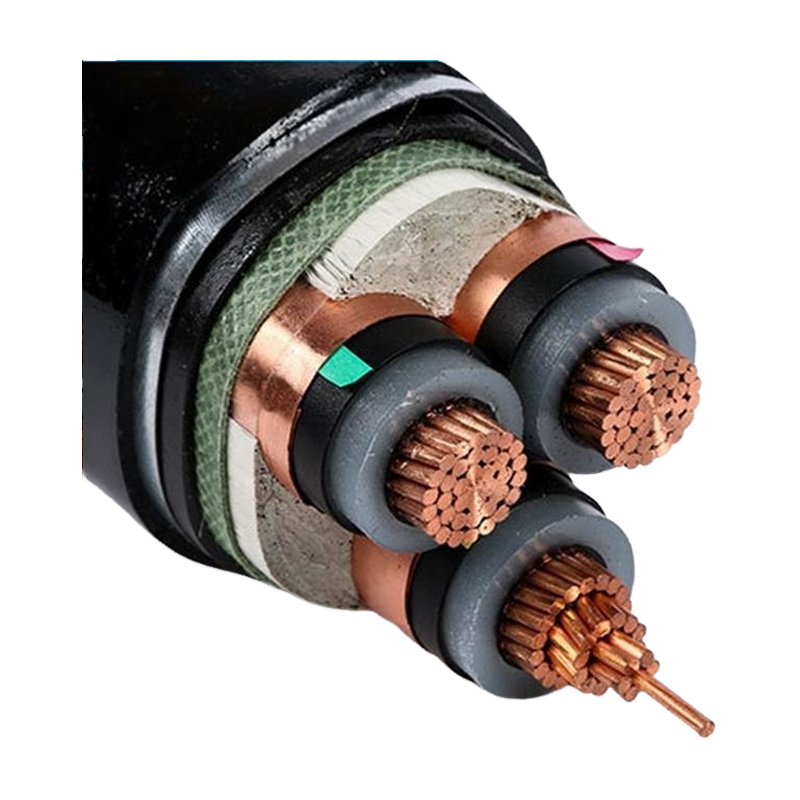
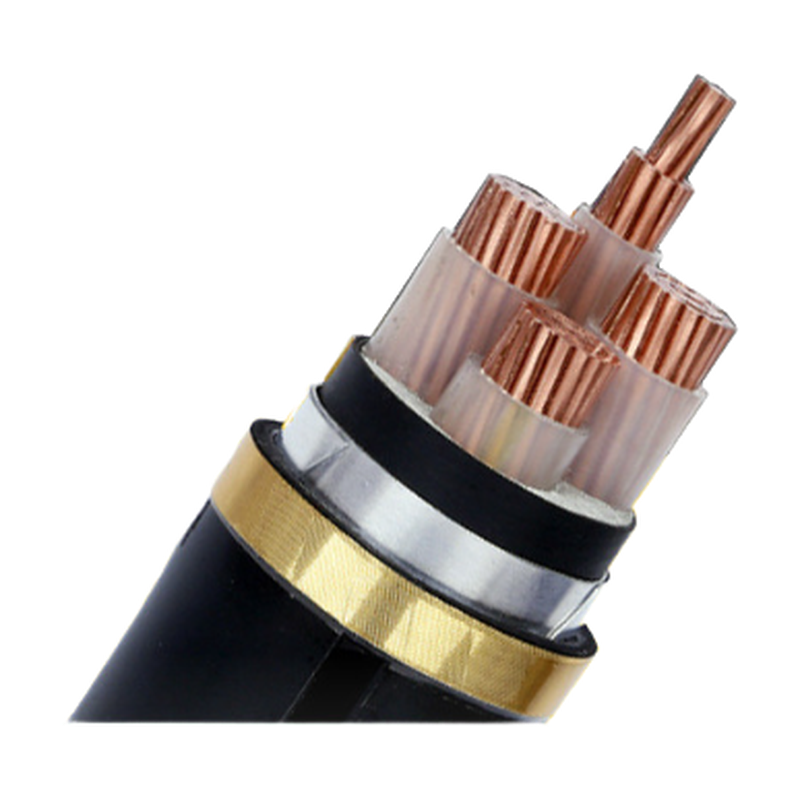
High-voltage cables operate under intense electrical stress, and a reliable insulation system is crucial. Cross-linked polyethylene (XLPE) is widely used due to its excellent electrical insulation properties, high thermal stability, and long lifespan. This material can withstand high voltages without breaking down, reducing the risk of electrical leakage and short circuits. Additionally, advanced insulation coatings and multi-layer insulation structures further enhance the cable's performance, protecting it from environmental factors like moisture and chemical corrosion.
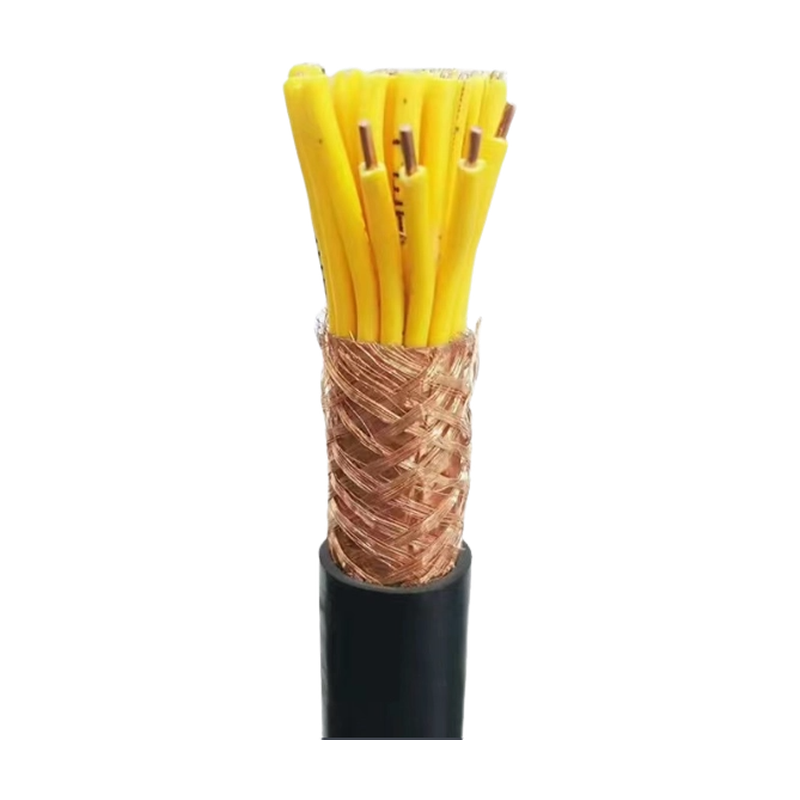
The cable structure design also contributes significantly to efficient transmission. High-voltage cables typically feature a conductor core, insulation layer, shielding layer, and outer sheath. The conductor core, usually made of high-conductivity materials such as copper or aluminum, is optimized in terms of cross-sectional area and stranding method. A properly designed conductor reduces electrical resistance, minimizing power losses during transmission. The shielding layer, whether it's a metal foil or braided mesh, helps to suppress electromagnetic interference, ensuring the stable operation of the cable and preventing interference with surrounding electrical equipment.
Temperature monitoring and control technology are essential as well. During high-voltage power transmission, cables generate heat due to electrical resistance. Excessive temperature can degrade the insulation and shorten the cable's service life. To address this, advanced temperature sensors are embedded within the cables. These sensors can accurately measure the temperature at various points and transmit the data in real-time. Based on the temperature information, cooling systems can be activated when necessary. For example, some high-voltage cables use oil-filled or water-cooled systems to dissipate heat, maintaining the cable's operating temperature within a safe range.
In addition, fault detection and prevention technologies are vital. High-voltage cables are exposed to various risks, including mechanical damage, aging, and insulation degradation. Advanced monitoring systems use techniques such as partial discharge detection, cable impedance measurement, and distributed optical fiber sensing. These methods can detect early signs of faults, allowing for timely maintenance and repair. By identifying potential problems before they escalate, power outages and serious accidents can be avoided, ensuring the continuous and efficient transmission of high-voltage electricity.
In conclusion, a combination of insulation technology, optimized cable structure design, temperature monitoring and control, and fault detection and prevention technologies enables the efficient transmission of high-voltage cables. As power demands continue to grow, continuous innovation in these technical areas will be key to maintaining a reliable and efficient power grid.
What Causes Fluctuations in Low-Voltage Cable Market Prices?
How to Judge High-Quality Materials Selection for Home Wiring?
Related Article

XLPE (cross-linked polyethylene) insulated solar cables are specialized for photovoltaic (PV) systems, combining XLPE’s thermal stability with resistance to UV radiation, extreme temperatures, and environmental stress. Compliant with international standards including IEC 60228, TÜV 2Pfg 1169, and UL 4703,
XLPE Insulated Solar Cable: Specifications and Applications

Copper twin and earth cable is a specialized wiring solution designed for low-voltage power distribution, featuring two current-carrying conductors and a separate earth (ground) conductor—all insulated and sheathed in a single jacket. Compliant with international standards including IEC 60245, BS 6004, and UL 1015, this cable is the backbone of residential, commercial, and light industrial wiring worldwide, valued for its safety, simplicity, and cost-effectiveness.
Copper Twin and Earth Cable: Specifications and Applications

Aluminum overhead cables are a cornerstone of long-distance power transmission, combining aluminum’s lightweight design with excellent conductivity-to-cost ratio. Compliant with international standards including IEC 60889, ASTM B230, and BS 215, these cables are optimized for aerial installation—trusted across global power grids, rural electrification, and infrastructure projects where overhead routing is efficient and cost-effective
Aluminum Overhead Cable: Specifications and Applications

XLPE (cross-linked polyethylene) insulated underground cables are engineered for reliable power transmission and distribution in buried environments, combining XLPE’s thermal stability with robust protection against soil corrosion, moisture, and mechanical damage.
XLPE Insulated Underground Cable: Specifications and Applications