
HOME /News /Product Knowledge Group /How to Judge High-Quality Materials Selection for Home Wiring? /
How to Judge High-Quality Materials Selection for Home Wiring?
author: Shenzhou Yongli Cable Tong
2025-07-04
First and foremost, check the wire's conductor material.
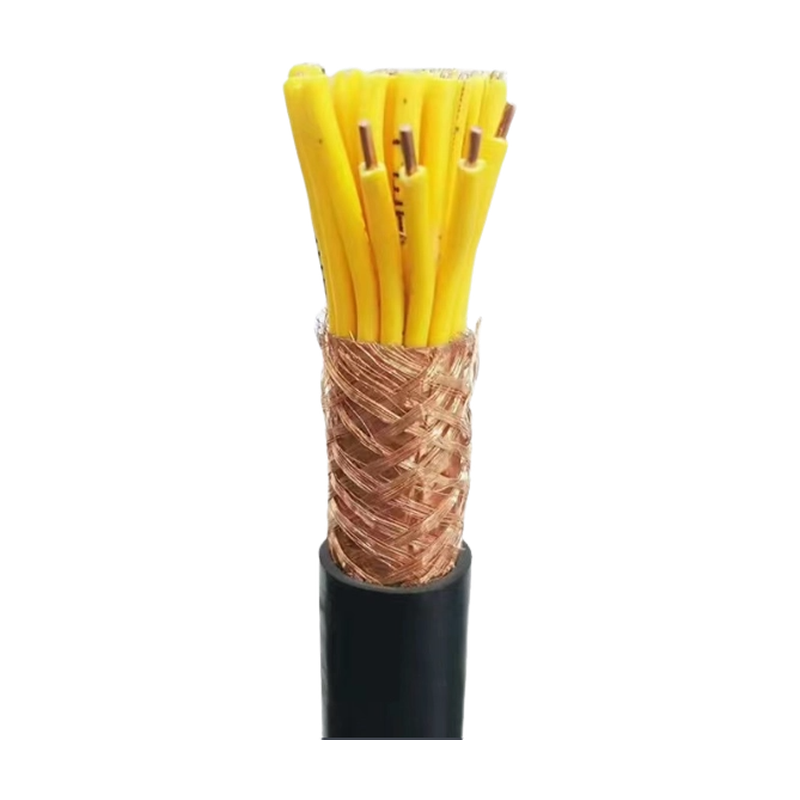
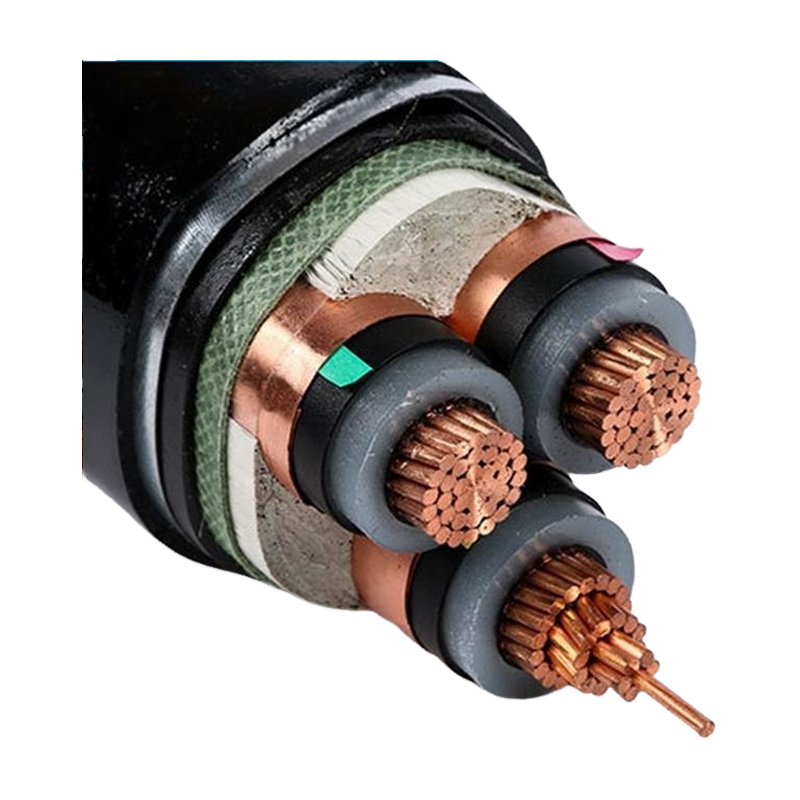
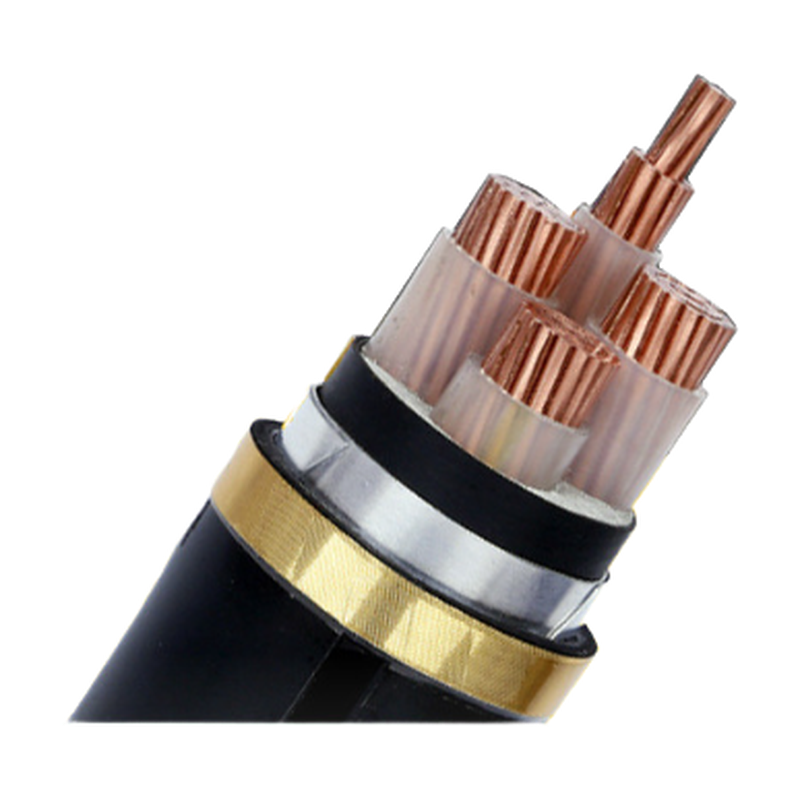
Copper is the most commonly used and recommended conductor for home wiring due to its excellent electrical conductivity and durability. High-quality copper wires should have a bright, shiny surface without any visible oxidation or discoloration. Avoid wires made from aluminum or copper-clad aluminum, as they may pose safety risks and have lower conductivity compared to pure copper.
The insulation of the wire is another vital factor. Look for wires with insulation made from materials like PVC (Polyvinyl Chloride) or XLPE (Cross-Linked Polyethylene). These materials offer good heat resistance, flame retardancy, and protection against moisture and abrasion. Inspect the insulation carefully; it should be thick, uniform, and free of cracks, splits, or thin spots. A damaged or subpar insulation layer can lead to electrical shorts, overheating, and even fires.
Pay attention to the wire gauge as well.
The insulation of the wire is another vital factor. Look for wires with insulation made from materials like PVC (Polyvinyl Chloride) or XLPE (Cross-Linked Polyethylene). These materials offer good heat resistance, flame retardancy, and protection against moisture and abrasion. Inspect the insulation carefully; it should be thick, uniform, and free of cracks, splits, or thin spots. A damaged or subpar insulation layer can lead to electrical shorts, overheating, and even fires.
Pay attention to the wire gauge as well.
The appropriate gauge depends on the electrical load and the length of the wire run. Using a wire that is too thin for the intended current can cause it to overheat, while a wire that is too thick may be a waste of money. Refer to local electrical codes or consult an electrician to determine the correct wire gauge for each circuit in your home.
In addition to the wires themselves, don't overlook other components such as electrical boxes, switches, and outlets. These should be made from sturdy materials that can withstand daily use and provide proper electrical connections. Look for products that are certified by recognized safety organizations, as this indicates that they meet strict quality and safety standards.
Another important aspect is the brand and reputation of the manufacturer. Well-established brands with a good track record are more likely to produce reliable and high-quality wiring materials. Read customer reviews, ask for recommendations from professionals, and research the brand's history and product certifications.
Finally, make sure to purchase your wiring materials from a reputable supplier. A reliable supplier will offer genuine products, provide accurate product information, and have a good return policy in case of any issues.
By carefully evaluating these factors - conductor material, insulation quality, wire gauge, component durability, brand reputation, and supplier reliability - you can make informed decisions and select high-quality materials for your home wiring project. Remember, investing in quality wiring materials today can save you from costly repairs, safety hazards, and electrical problems in the future.
In addition to the wires themselves, don't overlook other components such as electrical boxes, switches, and outlets. These should be made from sturdy materials that can withstand daily use and provide proper electrical connections. Look for products that are certified by recognized safety organizations, as this indicates that they meet strict quality and safety standards.
Another important aspect is the brand and reputation of the manufacturer. Well-established brands with a good track record are more likely to produce reliable and high-quality wiring materials. Read customer reviews, ask for recommendations from professionals, and research the brand's history and product certifications.
Finally, make sure to purchase your wiring materials from a reputable supplier. A reliable supplier will offer genuine products, provide accurate product information, and have a good return policy in case of any issues.
By carefully evaluating these factors - conductor material, insulation quality, wire gauge, component durability, brand reputation, and supplier reliability - you can make informed decisions and select high-quality materials for your home wiring project. Remember, investing in quality wiring materials today can save you from costly repairs, safety hazards, and electrical problems in the future.
What Technical Support Enables Efficient Transmission of High-Voltage Cables?
What Factors Affect the Electrical Conductivity of Aluminum Alloy Cables?
Related Article
XLPE (cross-linked polyethylene) insulated solar cables are specialized for photovoltaic (PV) systems, combining XLPE’s thermal stability with resistance to UV radiation, extreme temperatures, and environmental stress. Compliant with international standards including IEC 60228, TÜV 2Pfg 1169, and UL 4703,
XLPE Insulated Solar Cable: Specifications and Applications
Copper twin and earth cable is a specialized wiring solution designed for low-voltage power distribution, featuring two current-carrying conductors and a separate earth (ground) conductor—all insulated and sheathed in a single jacket. Compliant with international standards including IEC 60245, BS 6004, and UL 1015, this cable is the backbone of residential, commercial, and light industrial wiring worldwide, valued for its safety, simplicity, and cost-effectiveness.
Copper Twin and Earth Cable: Specifications and Applications
Aluminum overhead cables are a cornerstone of long-distance power transmission, combining aluminum’s lightweight design with excellent conductivity-to-cost ratio. Compliant with international standards including IEC 60889, ASTM B230, and BS 215, these cables are optimized for aerial installation—trusted across global power grids, rural electrification, and infrastructure projects where overhead routing is efficient and cost-effective
Aluminum Overhead Cable: Specifications and Applications
XLPE (cross-linked polyethylene) insulated underground cables are engineered for reliable power transmission and distribution in buried environments, combining XLPE’s thermal stability with robust protection against soil corrosion, moisture, and mechanical damage.
XLPE Insulated Underground Cable: Specifications and Applications