


What Are the Crucial Factors for Stable Power Supply of High-Voltage Cables?
author: Shenzhou Yongli Cable Tong
2025-07-01

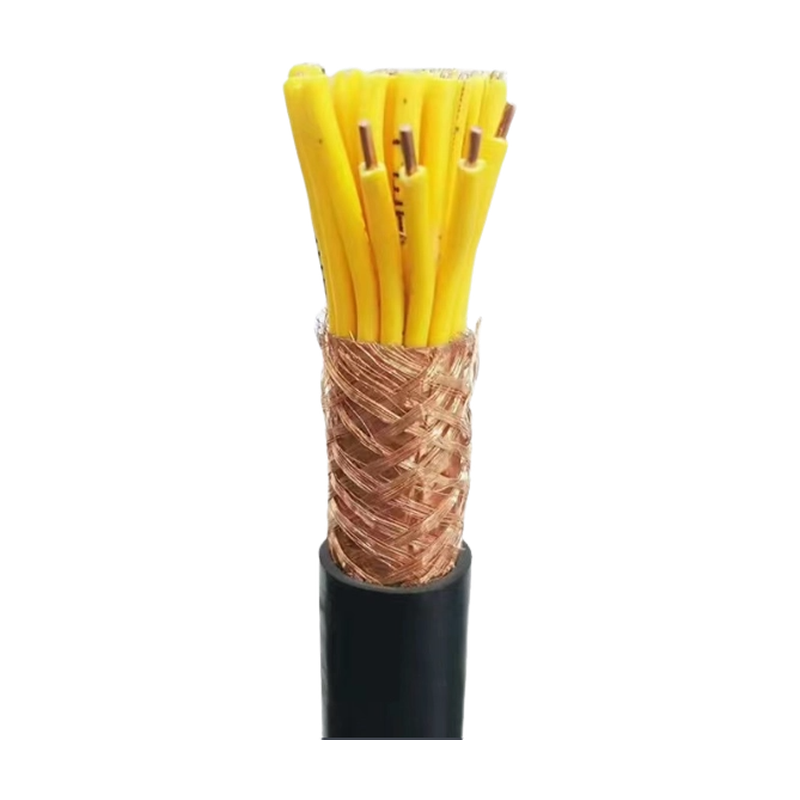
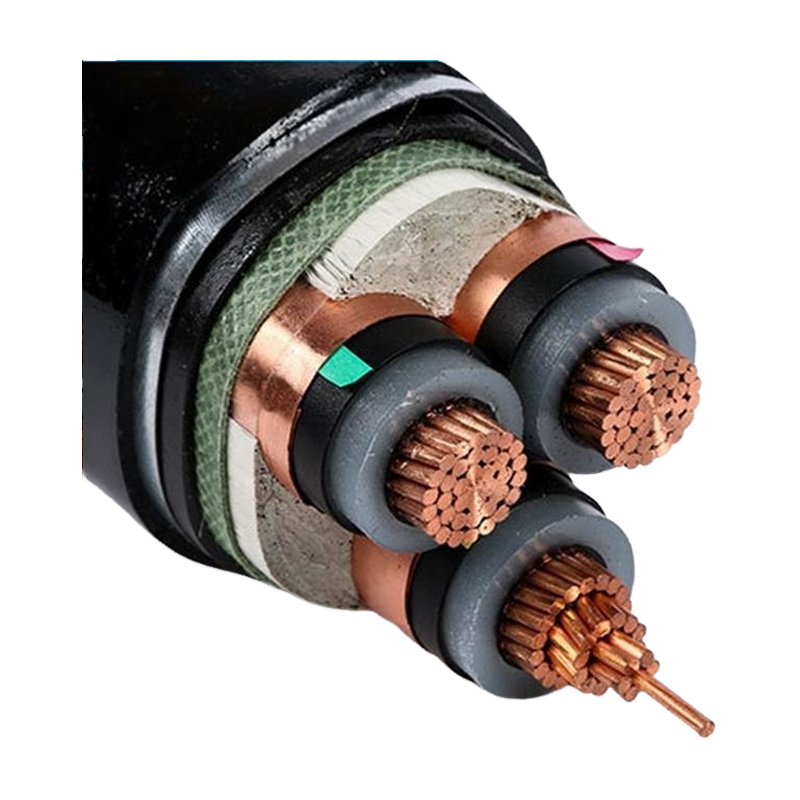
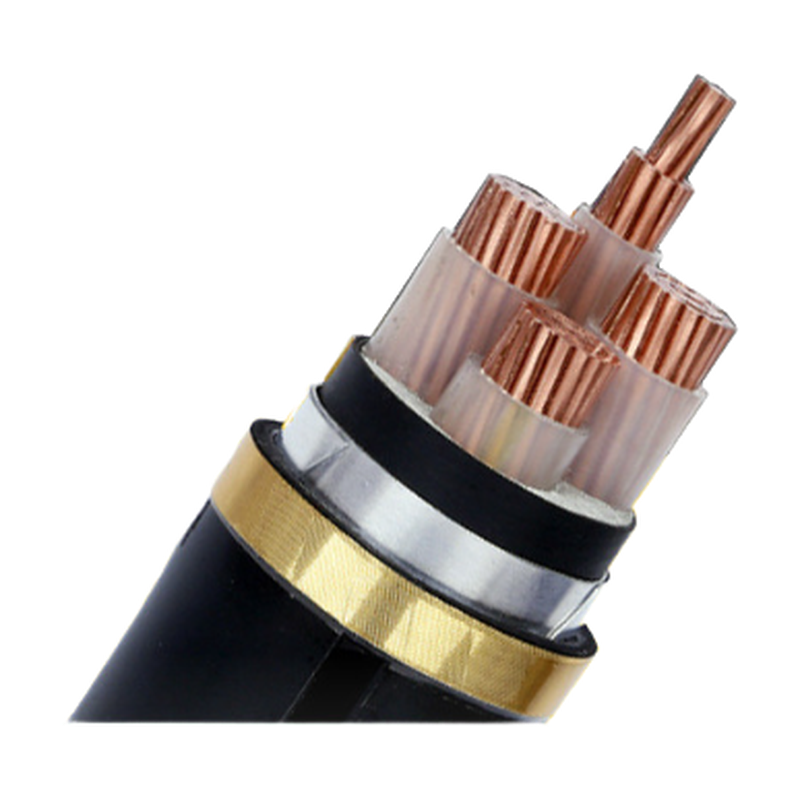
The quality of the cable itself is fundamental. High-voltage cables must be made from top-notch materials. The conductor, typically made of copper or aluminum, should have excellent electrical conductivity to minimize power loss during transmission. High-quality insulation materials are equally essential. Insulation not only prevents electrical leakage but also protects the conductor from external damage. Materials like cross-linked polyethylene (XLPE) are commonly used due to their high dielectric strength, thermal stability, and long lifespan. Inferior insulation can lead to breakdowns, resulting in power outages and potential safety hazards.
Proper installation is another key factor. High-voltage cables need to be installed by trained professionals following strict standards and guidelines. The route selection for laying cables should avoid areas with high mechanical stress, excessive heat, or chemical exposure. During installation, careful handling is required to prevent damage to the cable insulation and conductor. For example, bends in the cable should be made with the appropriate radius to avoid internal stresses that could cause premature failure. Additionally, proper termination and jointing techniques are crucial. Faulty connections can cause high resistance, overheating, and ultimately disrupt the power supply.
Environmental conditions also significantly impact the stable power supply of high-voltage cables. Extreme temperatures, humidity, and exposure to sunlight can degrade cable materials over time. In cold climates, the insulation may become brittle, increasing the risk of cracking. In hot environments, the insulation may soften and lose its effectiveness. Moisture intrusion can lead to electrical treeing and insulation breakdown. Therefore, protecting cables from adverse environmental factors is essential. This can involve using appropriate protective sheaths, installing cables in conduits, or burying them at suitable depths.
Regular maintenance and monitoring are indispensable. Periodic inspections help detect early signs of cable degradation, such as insulation damage, conductor corrosion, or abnormal heating. Advanced monitoring technologies, like partial discharge detection and temperature sensors, can provide real-time data on the cable's condition. By promptly addressing any issues identified during maintenance, potential power outages can be avoided. Moreover, having a well-defined maintenance schedule and emergency response plan in place ensures the continuous and stable operation of high-voltage cables.
In conclusion, to achieve a stable power supply for high-voltage cables, factors such as cable quality, proper installation, suitable environmental protection, and regular maintenance and monitoring must be carefully considered. Paying attention to these crucial elements not only guarantees reliable power transmission but also extends the lifespan of high-voltage cables, contributing to the overall stability of the power grid.
How Can the Safety and Durability of Low-Voltage Cables Be Verified?
What Are the Key Points for Home Wiring to Match Different Decoration Styles?
Related Article

XLPE (cross-linked polyethylene) insulated solar cables are specialized for photovoltaic (PV) systems, combining XLPE’s thermal stability with resistance to UV radiation, extreme temperatures, and environmental stress. Compliant with international standards including IEC 60228, TÜV 2Pfg 1169, and UL 4703,
XLPE Insulated Solar Cable: Specifications and Applications

Copper twin and earth cable is a specialized wiring solution designed for low-voltage power distribution, featuring two current-carrying conductors and a separate earth (ground) conductor—all insulated and sheathed in a single jacket. Compliant with international standards including IEC 60245, BS 6004, and UL 1015, this cable is the backbone of residential, commercial, and light industrial wiring worldwide, valued for its safety, simplicity, and cost-effectiveness.
Copper Twin and Earth Cable: Specifications and Applications

Aluminum overhead cables are a cornerstone of long-distance power transmission, combining aluminum’s lightweight design with excellent conductivity-to-cost ratio. Compliant with international standards including IEC 60889, ASTM B230, and BS 215, these cables are optimized for aerial installation—trusted across global power grids, rural electrification, and infrastructure projects where overhead routing is efficient and cost-effective
Aluminum Overhead Cable: Specifications and Applications

XLPE (cross-linked polyethylene) insulated underground cables are engineered for reliable power transmission and distribution in buried environments, combining XLPE’s thermal stability with robust protection against soil corrosion, moisture, and mechanical damage.
XLPE Insulated Underground Cable: Specifications and Applications