


How to Resolve Signal Interference in Control Cables?
author: Shenzhou Yongli Cable Tong
2025-06-30

Signal interference in control cables can stem from multiple sources. One of the primary culprits is electromagnetic interference (EMI), which occurs when external electromagnetic fields disrupt the normal flow of signals within the cable. Radio - frequency interference (RFI) is another common cause, typically generated by nearby radio transmitters, wireless devices, or electrical equipment with high - frequency switching. Additionally, poor cable routing, improper grounding, and inadequate shielding can exacerbate the problem of signal interference in control cables.
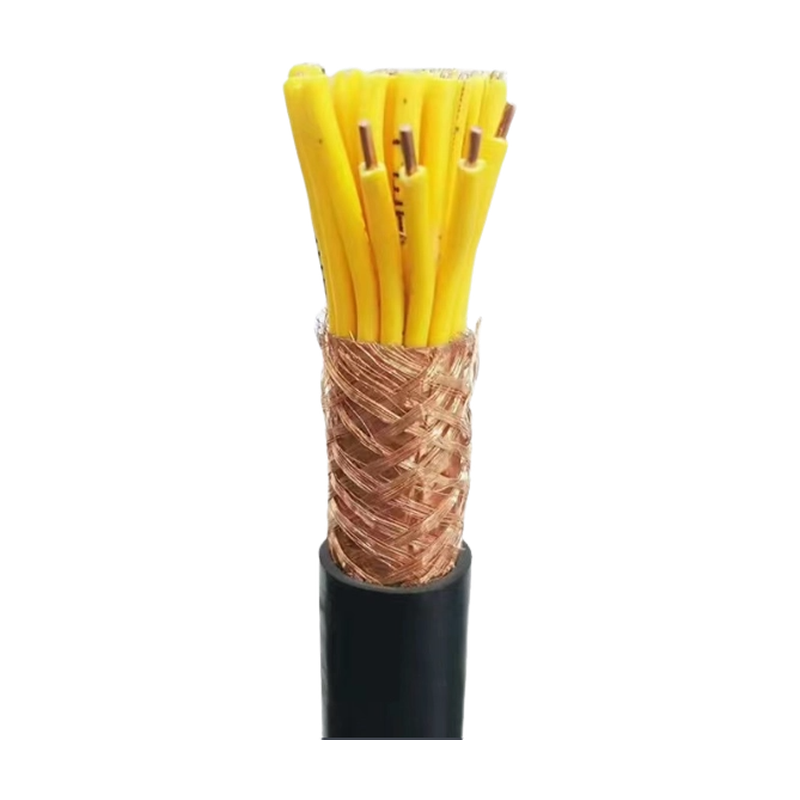
To tackle this issue, several effective strategies can be employed. First and foremost, proper cable shielding is essential. Using shielded control cables with high - quality materials like braided copper or aluminum foil can significantly reduce the impact of external electromagnetic and radio - frequency interference. The shield should be properly grounded at both ends of the cable to create a continuous path for interfering signals to dissipate.
Another key approach is to ensure correct cable routing. Control cables should be separated from power cables and other sources of interference. Running control cables in separate conduits or trays, and maintaining a sufficient distance between them and high - voltage or high - frequency cables, can minimize the chances of interference. For example, a distance of at least 30 centimeters between control and power cables is often recommended.
Grounding is also a critical factor in resolving signal interference in control cables. A good grounding system provides a low - impedance path for electrical current, helping to divert interfering signals away from the control cable. Make sure the grounding points are clean, free of corrosion, and have a solid connection. Regularly check and maintain the grounding system to ensure its effectiveness.
In some cases, using signal filters can be an effective solution. Signal filters are designed to block or attenuate specific frequencies of interference while allowing the desired signal to pass through. They can be installed at the source or destination of the control cable, depending on the nature of the interference.
Finally, regular inspection and maintenance of control cables are necessary. Check for any signs of damage, wear, or loose connections, as these can increase the susceptibility to interference. Replace damaged cables promptly and ensure all connectors are properly tightened.
By implementing these methods, you can effectively resolve signal interference in control cables, ensuring smooth operation of your electrical systems. Whether you're an engineer, technician, or DIY enthusiast, paying attention to these details will lead to more reliable and efficient electrical setups.
To tackle this issue, several effective strategies can be employed. First and foremost, proper cable shielding is essential. Using shielded control cables with high - quality materials like braided copper or aluminum foil can significantly reduce the impact of external electromagnetic and radio - frequency interference. The shield should be properly grounded at both ends of the cable to create a continuous path for interfering signals to dissipate.
Another key approach is to ensure correct cable routing. Control cables should be separated from power cables and other sources of interference. Running control cables in separate conduits or trays, and maintaining a sufficient distance between them and high - voltage or high - frequency cables, can minimize the chances of interference. For example, a distance of at least 30 centimeters between control and power cables is often recommended.
Grounding is also a critical factor in resolving signal interference in control cables. A good grounding system provides a low - impedance path for electrical current, helping to divert interfering signals away from the control cable. Make sure the grounding points are clean, free of corrosion, and have a solid connection. Regularly check and maintain the grounding system to ensure its effectiveness.
In some cases, using signal filters can be an effective solution. Signal filters are designed to block or attenuate specific frequencies of interference while allowing the desired signal to pass through. They can be installed at the source or destination of the control cable, depending on the nature of the interference.
Finally, regular inspection and maintenance of control cables are necessary. Check for any signs of damage, wear, or loose connections, as these can increase the susceptibility to interference. Replace damaged cables promptly and ensure all connectors are properly tightened.
By implementing these methods, you can effectively resolve signal interference in control cables, ensuring smooth operation of your electrical systems. Whether you're an engineer, technician, or DIY enthusiast, paying attention to these details will lead to more reliable and efficient electrical setups.
What Are the Moisture and Mold Prevention Measures for Mineral Insulated Cables?
What Is the Technical Principle of Low-Voltage Cable Energy-Saving Design?
Related Article

XLPE (cross-linked polyethylene) insulated solar cables are specialized for photovoltaic (PV) systems, combining XLPE’s thermal stability with resistance to UV radiation, extreme temperatures, and environmental stress. Compliant with international standards including IEC 60228, TÜV 2Pfg 1169, and UL 4703,
XLPE Insulated Solar Cable: Specifications and Applications

Copper twin and earth cable is a specialized wiring solution designed for low-voltage power distribution, featuring two current-carrying conductors and a separate earth (ground) conductor—all insulated and sheathed in a single jacket. Compliant with international standards including IEC 60245, BS 6004, and UL 1015, this cable is the backbone of residential, commercial, and light industrial wiring worldwide, valued for its safety, simplicity, and cost-effectiveness.
Copper Twin and Earth Cable: Specifications and Applications

Aluminum overhead cables are a cornerstone of long-distance power transmission, combining aluminum’s lightweight design with excellent conductivity-to-cost ratio. Compliant with international standards including IEC 60889, ASTM B230, and BS 215, these cables are optimized for aerial installation—trusted across global power grids, rural electrification, and infrastructure projects where overhead routing is efficient and cost-effective
Aluminum Overhead Cable: Specifications and Applications

XLPE (cross-linked polyethylene) insulated underground cables are engineered for reliable power transmission and distribution in buried environments, combining XLPE’s thermal stability with robust protection against soil corrosion, moisture, and mechanical damage.
XLPE Insulated Underground Cable: Specifications and Applications