


What Does the Testing Standard for Home Wiring Include?
author: Shenzhou Yongli Cable Tong
2025-06-27
Electrical Safety Testing
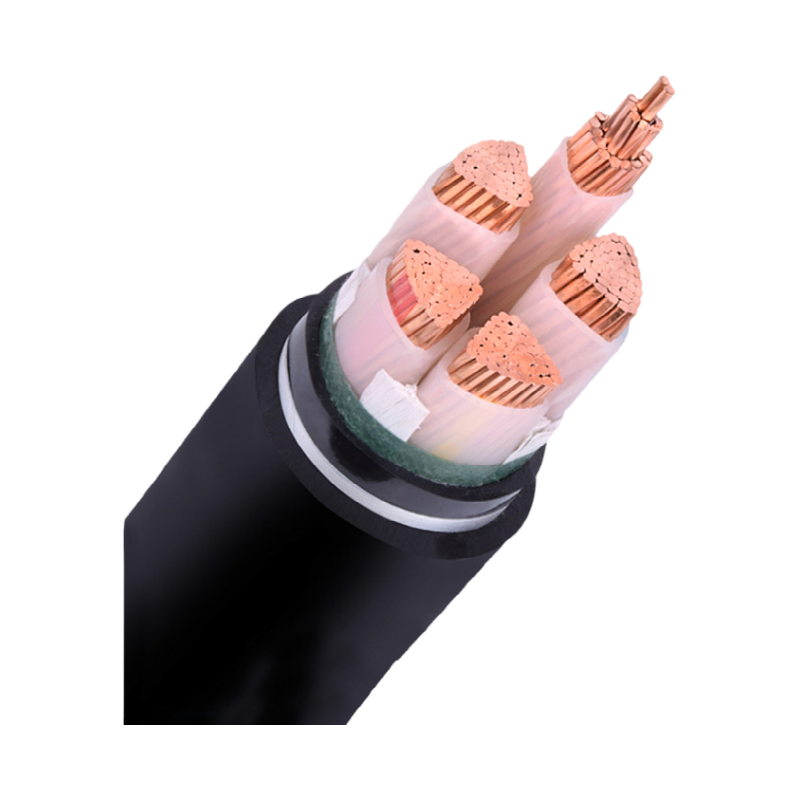
One of the primary aspects of home wiring testing standards is electrical safety. This involves checking for proper grounding. A well - grounded electrical system can redirect electrical faults, reducing the risk of electric shock. Insulation resistance testing is also essential. Wires need to have sufficient insulation to prevent electrical leakage. Testing equipment measures the resistance between conductors and the insulation, ensuring that it meets the required standards. For example, in most residential applications, the insulation resistance should be in the megohm range. Additionally, overcurrent protection devices, such as circuit breakers and fuses, are tested to ensure they trip at the appropriate current levels, preventing overheating and potential fires.
Performance Testing
Performance testing focuses on the functionality of the home wiring system. Continuity testing is carried out to confirm that there are no breaks or open circuits in the wiring. This is especially important for ensuring that electrical devices receive a continuous supply of power. Signal integrity testing is relevant for wiring used in data transmission, such as Ethernet cables for home networks. It checks for signal attenuation, crosstalk, and other issues that could affect the quality of data transfer. For electrical outlets, voltage and current testing are performed to ensure they supply the correct electrical values, which is necessary for the proper operation of connected appliances.
Installation and Code Compliance
Home wiring testing standards also cover installation practices and compliance with local electrical codes. The physical installation of wires, including how they are routed, secured, and protected, is inspected. Wires should be properly enclosed in conduit or other approved protective materials to prevent damage from mechanical stress, moisture, or pests. The spacing between wires and their distance from flammable materials are also regulated. Electricians must follow these codes during installation, and inspectors will verify that all work is in accordance with the established standards. Non - compliance can lead to electrical failures, safety hazards, and legal issues.
One of the primary aspects of home wiring testing standards is electrical safety. This involves checking for proper grounding. A well - grounded electrical system can redirect electrical faults, reducing the risk of electric shock. Insulation resistance testing is also essential. Wires need to have sufficient insulation to prevent electrical leakage. Testing equipment measures the resistance between conductors and the insulation, ensuring that it meets the required standards. For example, in most residential applications, the insulation resistance should be in the megohm range. Additionally, overcurrent protection devices, such as circuit breakers and fuses, are tested to ensure they trip at the appropriate current levels, preventing overheating and potential fires.
Performance Testing
Performance testing focuses on the functionality of the home wiring system. Continuity testing is carried out to confirm that there are no breaks or open circuits in the wiring. This is especially important for ensuring that electrical devices receive a continuous supply of power. Signal integrity testing is relevant for wiring used in data transmission, such as Ethernet cables for home networks. It checks for signal attenuation, crosstalk, and other issues that could affect the quality of data transfer. For electrical outlets, voltage and current testing are performed to ensure they supply the correct electrical values, which is necessary for the proper operation of connected appliances.
Installation and Code Compliance
Home wiring testing standards also cover installation practices and compliance with local electrical codes. The physical installation of wires, including how they are routed, secured, and protected, is inspected. Wires should be properly enclosed in conduit or other approved protective materials to prevent damage from mechanical stress, moisture, or pests. The spacing between wires and their distance from flammable materials are also regulated. Electricians must follow these codes during installation, and inspectors will verify that all work is in accordance with the established standards. Non - compliance can lead to electrical failures, safety hazards, and legal issues.
In conclusion, the testing standard for home wiring encompasses a wide range of elements, from electrical safety and performance to installation compliance. Adhering to these standards is not only a matter of ensuring the proper functioning of electrical systems but also of protecting the lives and property of homeowners. Whether you are planning a new home wiring installation or having an existing system inspected, being aware of these testing standards will help you make informed decisions and maintain a safe and reliable electrical environment in your home.
How to Ensure Safety During High-Voltage Cable Installation?
What Is the Principle Behind Aluminum Alloy Cables' Corrosion Resistance?
Related Article

XLPE (cross-linked polyethylene) insulated solar cables are specialized for photovoltaic (PV) systems, combining XLPE’s thermal stability with resistance to UV radiation, extreme temperatures, and environmental stress. Compliant with international standards including IEC 60228, TÜV 2Pfg 1169, and UL 4703,
XLPE Insulated Solar Cable: Specifications and Applications

Copper twin and earth cable is a specialized wiring solution designed for low-voltage power distribution, featuring two current-carrying conductors and a separate earth (ground) conductor—all insulated and sheathed in a single jacket. Compliant with international standards including IEC 60245, BS 6004, and UL 1015, this cable is the backbone of residential, commercial, and light industrial wiring worldwide, valued for its safety, simplicity, and cost-effectiveness.
Copper Twin and Earth Cable: Specifications and Applications

Aluminum overhead cables are a cornerstone of long-distance power transmission, combining aluminum’s lightweight design with excellent conductivity-to-cost ratio. Compliant with international standards including IEC 60889, ASTM B230, and BS 215, these cables are optimized for aerial installation—trusted across global power grids, rural electrification, and infrastructure projects where overhead routing is efficient and cost-effective
Aluminum Overhead Cable: Specifications and Applications

XLPE (cross-linked polyethylene) insulated underground cables are engineered for reliable power transmission and distribution in buried environments, combining XLPE’s thermal stability with robust protection against soil corrosion, moisture, and mechanical damage.
XLPE Insulated Underground Cable: Specifications and Applications