

What Is the Maximum Temperature Tolerance of Mineral Insulated Cables?
author: Shenzhou Yongli Cable Tong
2025-06-19

The Structure and Composition of Mineral Insulated Cables
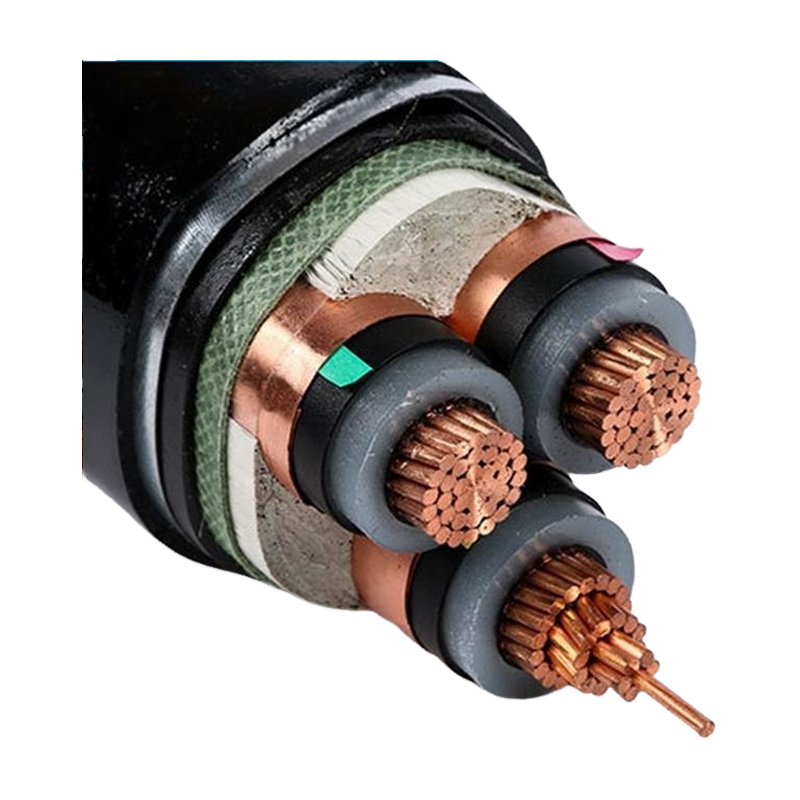
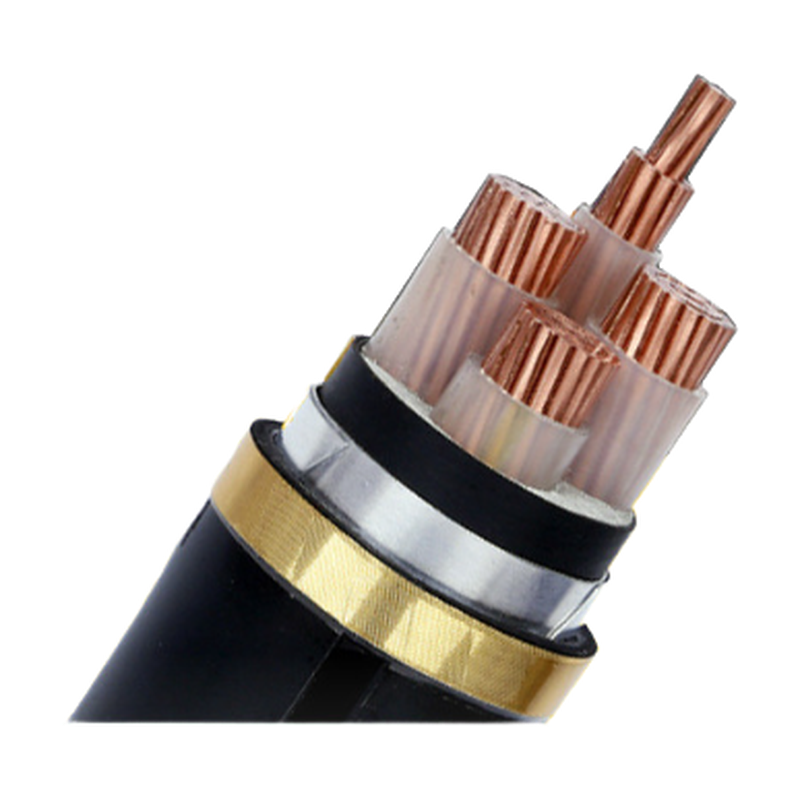
Mineral insulated cables are constructed with a unique design that contributes to their high - temperature resistance. They typically consist of a copper or aluminum conductor, surrounded by a compacted mineral insulation, usually magnesium oxide (MgO), and enclosed in a seamless copper or stainless - steel sheath. This composition provides excellent thermal conductivity and electrical insulation properties. The mineral insulation, in particular, is highly stable and can withstand extreme temperatures without degrading or releasing harmful substances.
Mineral insulated cables are constructed with a unique design that contributes to their high - temperature resistance. They typically consist of a copper or aluminum conductor, surrounded by a compacted mineral insulation, usually magnesium oxide (MgO), and enclosed in a seamless copper or stainless - steel sheath. This composition provides excellent thermal conductivity and electrical insulation properties. The mineral insulation, in particular, is highly stable and can withstand extreme temperatures without degrading or releasing harmful substances.
Maximum Temperature Tolerance Specifications
The maximum temperature tolerance of mineral insulated cables varies depending on several factors. Under normal operating conditions, most MICs can handle continuous temperatures ranging from 250°C to 450°C. For instance, in industrial processes such as metal smelting or glass manufacturing, where ambient temperatures are consistently high, MICs can maintain reliable electrical performance within this range.
In emergency or short - term overload situations, mineral insulated cables demonstrate even more remarkable capabilities. They can endure temperatures up to 1000°C for a limited period, typically around 3 hours. This high - temperature resistance makes them ideal for use in fire - rated applications, as they can continue to supply power to critical systems, such as fire alarms, emergency lighting, and smoke extraction equipment, during a fire, ensuring the safety of buildings and occupants.
Factors Affecting Temperature Tolerance
Several factors can influence the maximum temperature tolerance of mineral insulated cables. The type of conductor material plays a role; copper conductors generally have a slightly lower maximum operating temperature compared to aluminum conductors under certain conditions. The thickness and quality of the mineral insulation also impact performance. A thicker and more densely packed magnesium oxide layer can provide better thermal insulation, allowing the cable to withstand higher temperatures. Additionally, the outer sheath material and its protective properties against environmental elements, such as moisture and corrosive gases, can affect the cable's ability to maintain its temperature tolerance over time.
Importance in Practical Applications
The high maximum temperature tolerance of mineral insulated cables makes them indispensable in many applications. In power plants, they are used to connect generators and transformers, where high - temperature and high - voltage conditions are common. In the aerospace industry, MICs are employed in aircraft engines and avionics systems, where exposure to extreme heat is inevitable. Their reliability in high - temperature environments reduces the risk of electrical failures, minimizing downtime and potential safety hazards.
In conclusion, the maximum temperature tolerance of mineral insulated cables is a key characteristic that sets them apart from other types of electrical cables. With their ability to withstand high temperatures under normal and emergency conditions, MICs offer a reliable solution for electrical installations in demanding environments. However, proper selection, installation, and maintenance, taking into account the various factors affecting temperature tolerance, are essential to fully utilize their capabilities and ensure the long - term performance of electrical systems.
What Is the Principle Behind Aluminum Alloy Cables' Corrosion Resistance?
What Precautions Should Be Taken During Control Cable Installation?
Related Article

XLPE (cross-linked polyethylene) insulated solar cables are specialized for photovoltaic (PV) systems, combining XLPE’s thermal stability with resistance to UV radiation, extreme temperatures, and environmental stress. Compliant with international standards including IEC 60228, TÜV 2Pfg 1169, and UL 4703,
XLPE Insulated Solar Cable: Specifications and Applications

Copper twin and earth cable is a specialized wiring solution designed for low-voltage power distribution, featuring two current-carrying conductors and a separate earth (ground) conductor—all insulated and sheathed in a single jacket. Compliant with international standards including IEC 60245, BS 6004, and UL 1015, this cable is the backbone of residential, commercial, and light industrial wiring worldwide, valued for its safety, simplicity, and cost-effectiveness.
Copper Twin and Earth Cable: Specifications and Applications

Aluminum overhead cables are a cornerstone of long-distance power transmission, combining aluminum’s lightweight design with excellent conductivity-to-cost ratio. Compliant with international standards including IEC 60889, ASTM B230, and BS 215, these cables are optimized for aerial installation—trusted across global power grids, rural electrification, and infrastructure projects where overhead routing is efficient and cost-effective
Aluminum Overhead Cable: Specifications and Applications

XLPE (cross-linked polyethylene) insulated underground cables are engineered for reliable power transmission and distribution in buried environments, combining XLPE’s thermal stability with robust protection against soil corrosion, moisture, and mechanical damage.
XLPE Insulated Underground Cable: Specifications and Applications