

Low-Voltage Cable Factory Direct Supply vs. Retail
author: Shenzhou Yongli Cable Tong
2025-06-18

1. Cost Structure
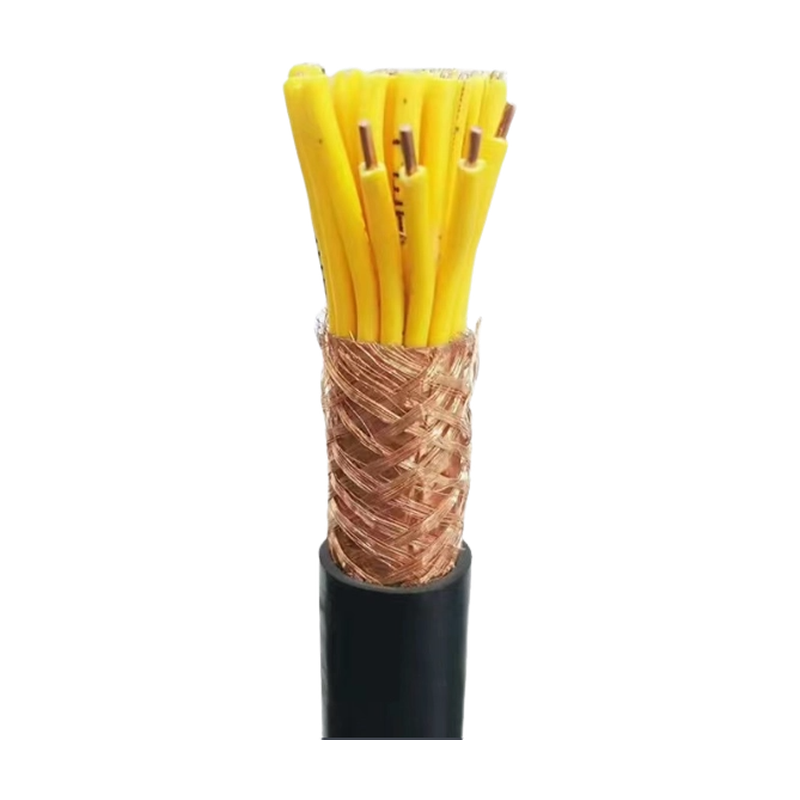
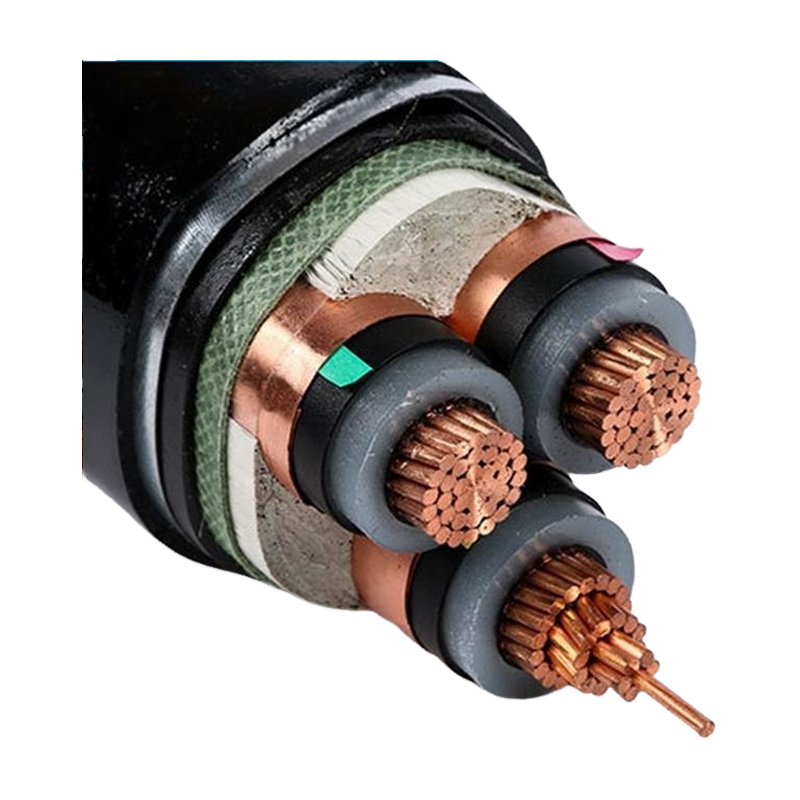
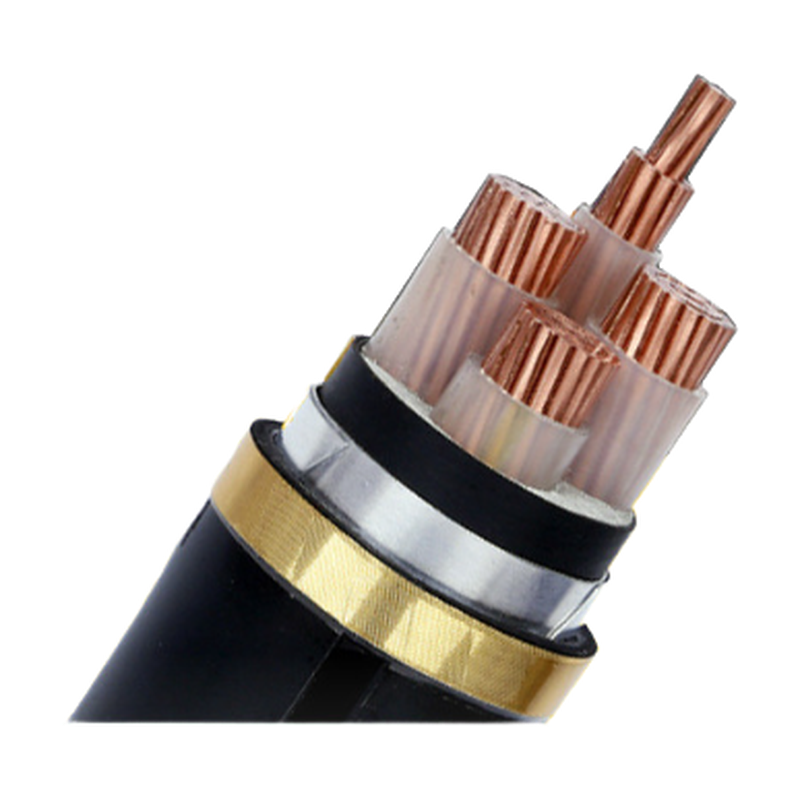
One of the most prominent differences lies in cost. When sourcing low-voltage cables directly from the factory, buyers bypass multiple intermediaries, such as wholesalers and retailers. This eliminates additional markups, reducing prices by 15% to 30% on average. Factories can offer competitive rates due to bulk production economies and direct control over manufacturing costs. In contrast, retail purchases involve higher prices as retailers factor in store overheads, marketing expenses, and profit margins. For large-scale projects requiring extensive cable lengths, factory direct supply can result in substantial savings.
One of the most prominent differences lies in cost. When sourcing low-voltage cables directly from the factory, buyers bypass multiple intermediaries, such as wholesalers and retailers. This eliminates additional markups, reducing prices by 15% to 30% on average. Factories can offer competitive rates due to bulk production economies and direct control over manufacturing costs. In contrast, retail purchases involve higher prices as retailers factor in store overheads, marketing expenses, and profit margins. For large-scale projects requiring extensive cable lengths, factory direct supply can result in substantial savings.
2. Product Customization and Availability
Factories excel in customization. They can tailor low-voltage cables to specific requirements, including conductor material (copper or aluminum), insulation type (PVC, XLPE), jacket color, and length. This flexibility suits unique projects, such as data centers with specialized wiring needs or industrial facilities demanding flame-retardant cables. In contrast, retail stores typically stock standardized products. While convenient for small-scale, immediate needs, they may lack options for specialized or large-volume orders. Retailers often rely on factory inventory, limiting availability during high-demand periods or for niche products.
3. Quality Assurance and Certification
Factory direct supply often ensures higher quality control. Manufacturers adhere to international standards like IEC 60227 and ISO 9001, conducting rigorous in-house testing for conductivity, insulation strength, and durability. They also provide detailed product certifications, ensuring compliance with safety regulations. Retail channels, on the other hand, may vary in quality consistency. Some retailers source from multiple suppliers, increasing the risk of receiving cables that don't meet strict standards. Buyers relying on retail should verify product certifications independently to avoid potential safety issues.
4. Delivery Time and Logistics
Factory direct supply typically involves longer lead times, especially for customized orders. Production, quality checks, and shipping can take weeks, depending on complexity. However, factories often offer bulk shipping discounts and direct delivery to project sites, optimizing logistics for large orders. Retail purchases, by contrast, provide immediate availability for in-stock items. Customers can quickly obtain cables from local stores or online platforms, making retail ideal for urgent repairs or small-scale DIY projects.
5. Customer Service and Support
Factories usually offer technical expertise and dedicated support for large clients. They can assist with product selection, installation guidance, and after-sales service, ensuring seamless integration into projects. Retailers, while providing basic customer service, may lack in-depth technical knowledge. Their support focuses more on transactional assistance, such as returns or exchanges, rather than complex technical consultations.
The choice between low-voltage cable factory direct supply and retail depends on project scale, budget, customization needs, and urgency. Factory direct supply offers cost savings, customization, and high-quality assurance, making it ideal for large, specialized projects. Retail, conversely, provides convenience, immediate availability, and simplicity, suitable for small-scale or urgent requirements. By understanding these differences, buyers can align their procurement methods with specific needs, ensuring both efficiency and reliability in electrical installations.
What Precautions Should Be Taken During Control Cable Installation?
Key Parameters for High-Voltage Cable Customization
Related Article

XLPE (cross-linked polyethylene) insulated solar cables are specialized for photovoltaic (PV) systems, combining XLPE’s thermal stability with resistance to UV radiation, extreme temperatures, and environmental stress. Compliant with international standards including IEC 60228, TÜV 2Pfg 1169, and UL 4703,
XLPE Insulated Solar Cable: Specifications and Applications

Copper twin and earth cable is a specialized wiring solution designed for low-voltage power distribution, featuring two current-carrying conductors and a separate earth (ground) conductor—all insulated and sheathed in a single jacket. Compliant with international standards including IEC 60245, BS 6004, and UL 1015, this cable is the backbone of residential, commercial, and light industrial wiring worldwide, valued for its safety, simplicity, and cost-effectiveness.
Copper Twin and Earth Cable: Specifications and Applications

Aluminum overhead cables are a cornerstone of long-distance power transmission, combining aluminum’s lightweight design with excellent conductivity-to-cost ratio. Compliant with international standards including IEC 60889, ASTM B230, and BS 215, these cables are optimized for aerial installation—trusted across global power grids, rural electrification, and infrastructure projects where overhead routing is efficient and cost-effective
Aluminum Overhead Cable: Specifications and Applications

XLPE (cross-linked polyethylene) insulated underground cables are engineered for reliable power transmission and distribution in buried environments, combining XLPE’s thermal stability with robust protection against soil corrosion, moisture, and mechanical damage.
XLPE Insulated Underground Cable: Specifications and Applications