


Key Parameters for High-Voltage Cable Customization
author: Shenzhou Yongli Cable Tong
2025-06-18

1. Voltage Rating
The voltage rating is perhaps the most fundamental parameter in high-voltage cable customization. It defines the maximum electrical potential the cable can safely withstand without insulation breakdown. Cables are typically classified into categories such as medium-voltage (up to 35 kV), high-voltage (35 kV - 230 kV), and extra-high-voltage (above 230 kV). A mismatch between the cable’s voltage rating and the system’s requirements can lead to arcing, overheating, or even catastrophic failure. For instance, a cable designed for 66 kV may not be suitable for a 132 kV grid. Accurate voltage specification aligns with international standards like IEC 60502 and IEEE 1016, ensuring safety and compliance.
The voltage rating is perhaps the most fundamental parameter in high-voltage cable customization. It defines the maximum electrical potential the cable can safely withstand without insulation breakdown. Cables are typically classified into categories such as medium-voltage (up to 35 kV), high-voltage (35 kV - 230 kV), and extra-high-voltage (above 230 kV). A mismatch between the cable’s voltage rating and the system’s requirements can lead to arcing, overheating, or even catastrophic failure. For instance, a cable designed for 66 kV may not be suitable for a 132 kV grid. Accurate voltage specification aligns with international standards like IEC 60502 and IEEE 1016, ensuring safety and compliance.
2. Conductor Material and Size
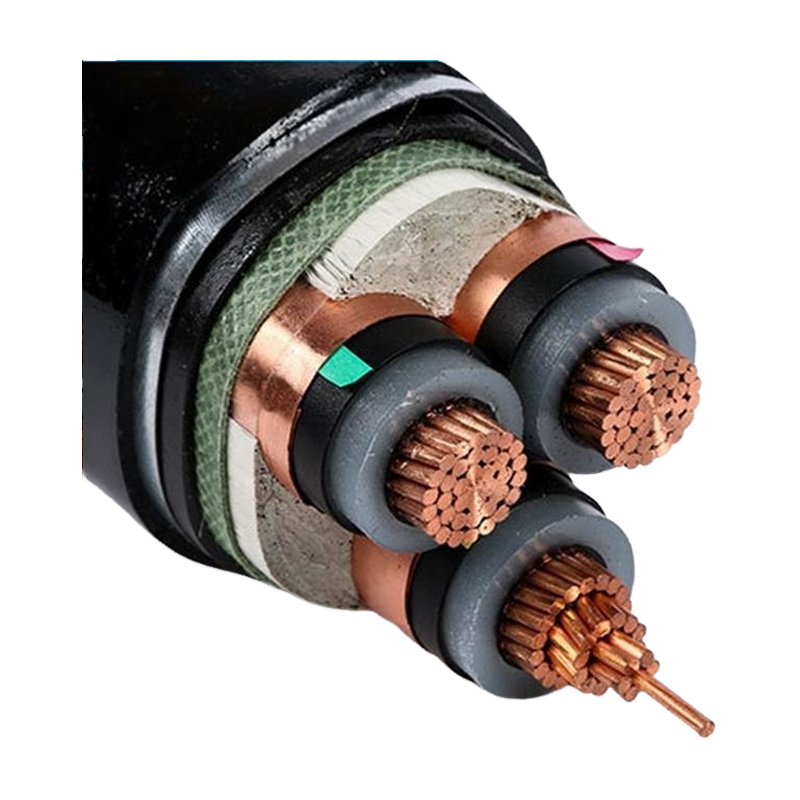
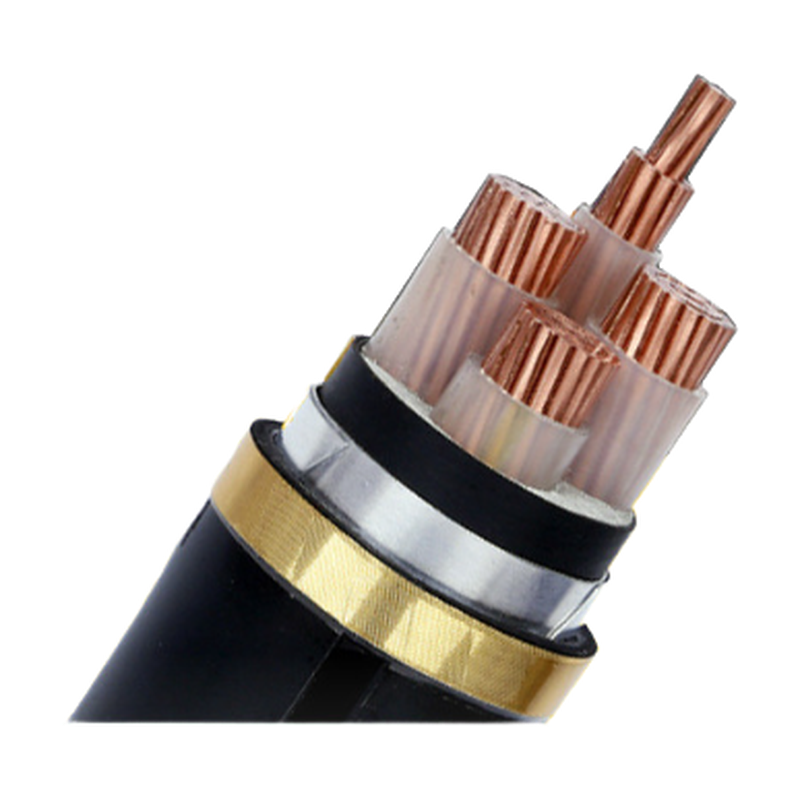
The choice of conductor material—usually copper or aluminum—significantly impacts the cable’s conductivity, weight, and cost. Copper offers superior conductivity and durability, making it ideal for long-distance, high-current applications. In contrast, aluminum is lighter and more cost-effective, often preferred for overhead power lines. Additionally, the conductor size (measured in square millimeters or circular mils) determines the cable’s current-carrying capacity. Oversizing conductors reduces resistance and energy losses, while undersizing risks overheating. Engineers use Ampacity tables to calculate the optimal size based on factors like ambient temperature and installation method.
3. Insulation and Sheathing
Insulation materials protect against electrical leakage and environmental hazards. Cross-linked polyethylene (XLPE) is a popular choice for high-voltage cables due to its excellent dielectric strength, chemical resistance, and thermal stability. For harsher environments, materials like ethylene propylene rubber (EPR) or silicone rubber may be preferred. The sheathing layer, meanwhile, shields the cable from mechanical damage, moisture, and chemicals. Options include PVC, polyethylene (PE), or specialized flame-retardant compounds, each selected based on the installation environment—underground, aerial, or industrial settings.
4. Installation Environment and Conditions
The physical and climatic conditions where the cable will be installed are critical. Parameters such as ambient temperature, humidity, exposure to UV radiation, and chemical contaminants influence material selection. For example, cables deployed in tropical regions require UV-resistant sheathing, while those in industrial areas may need chemical-resistant insulation. Additionally, installation methods (direct burial, ducting, or tray systems) impact the cable’s mechanical requirements, dictating features like crush resistance and flexibility.
5. Specialized Requirements
Certain applications demand additional customization features:
The choice of conductor material—usually copper or aluminum—significantly impacts the cable’s conductivity, weight, and cost. Copper offers superior conductivity and durability, making it ideal for long-distance, high-current applications. In contrast, aluminum is lighter and more cost-effective, often preferred for overhead power lines. Additionally, the conductor size (measured in square millimeters or circular mils) determines the cable’s current-carrying capacity. Oversizing conductors reduces resistance and energy losses, while undersizing risks overheating. Engineers use Ampacity tables to calculate the optimal size based on factors like ambient temperature and installation method.
3. Insulation and Sheathing
Insulation materials protect against electrical leakage and environmental hazards. Cross-linked polyethylene (XLPE) is a popular choice for high-voltage cables due to its excellent dielectric strength, chemical resistance, and thermal stability. For harsher environments, materials like ethylene propylene rubber (EPR) or silicone rubber may be preferred. The sheathing layer, meanwhile, shields the cable from mechanical damage, moisture, and chemicals. Options include PVC, polyethylene (PE), or specialized flame-retardant compounds, each selected based on the installation environment—underground, aerial, or industrial settings.
4. Installation Environment and Conditions
The physical and climatic conditions where the cable will be installed are critical. Parameters such as ambient temperature, humidity, exposure to UV radiation, and chemical contaminants influence material selection. For example, cables deployed in tropical regions require UV-resistant sheathing, while those in industrial areas may need chemical-resistant insulation. Additionally, installation methods (direct burial, ducting, or tray systems) impact the cable’s mechanical requirements, dictating features like crush resistance and flexibility.
5. Specialized Requirements
Certain applications demand additional customization features:
Fire Resistance: In public buildings or tunnels, cables with low-smoke zero-halogen (LSZH) properties prevent toxic fume emissions during fires.
Electromagnetic Compatibility (EMC): For installations near sensitive equipment, shielded cables reduce electromagnetic interference.
Flexibility: In movable applications like cranes or subsea installations, cables require enhanced bend radius and fatigue resistance.
Electromagnetic Compatibility (EMC): For installations near sensitive equipment, shielded cables reduce electromagnetic interference.
Flexibility: In movable applications like cranes or subsea installations, cables require enhanced bend radius and fatigue resistance.
Low-Voltage Cable Factory Direct Supply vs. Retail
The Advantages of Environmentally Friendly Materials in Home Wiring
Related Article

XLPE (cross-linked polyethylene) insulated solar cables are specialized for photovoltaic (PV) systems, combining XLPE’s thermal stability with resistance to UV radiation, extreme temperatures, and environmental stress. Compliant with international standards including IEC 60228, TÜV 2Pfg 1169, and UL 4703,
XLPE Insulated Solar Cable: Specifications and Applications

Copper twin and earth cable is a specialized wiring solution designed for low-voltage power distribution, featuring two current-carrying conductors and a separate earth (ground) conductor—all insulated and sheathed in a single jacket. Compliant with international standards including IEC 60245, BS 6004, and UL 1015, this cable is the backbone of residential, commercial, and light industrial wiring worldwide, valued for its safety, simplicity, and cost-effectiveness.
Copper Twin and Earth Cable: Specifications and Applications

Aluminum overhead cables are a cornerstone of long-distance power transmission, combining aluminum’s lightweight design with excellent conductivity-to-cost ratio. Compliant with international standards including IEC 60889, ASTM B230, and BS 215, these cables are optimized for aerial installation—trusted across global power grids, rural electrification, and infrastructure projects where overhead routing is efficient and cost-effective
Aluminum Overhead Cable: Specifications and Applications

XLPE (cross-linked polyethylene) insulated underground cables are engineered for reliable power transmission and distribution in buried environments, combining XLPE’s thermal stability with robust protection against soil corrosion, moisture, and mechanical damage.
XLPE Insulated Underground Cable: Specifications and Applications