
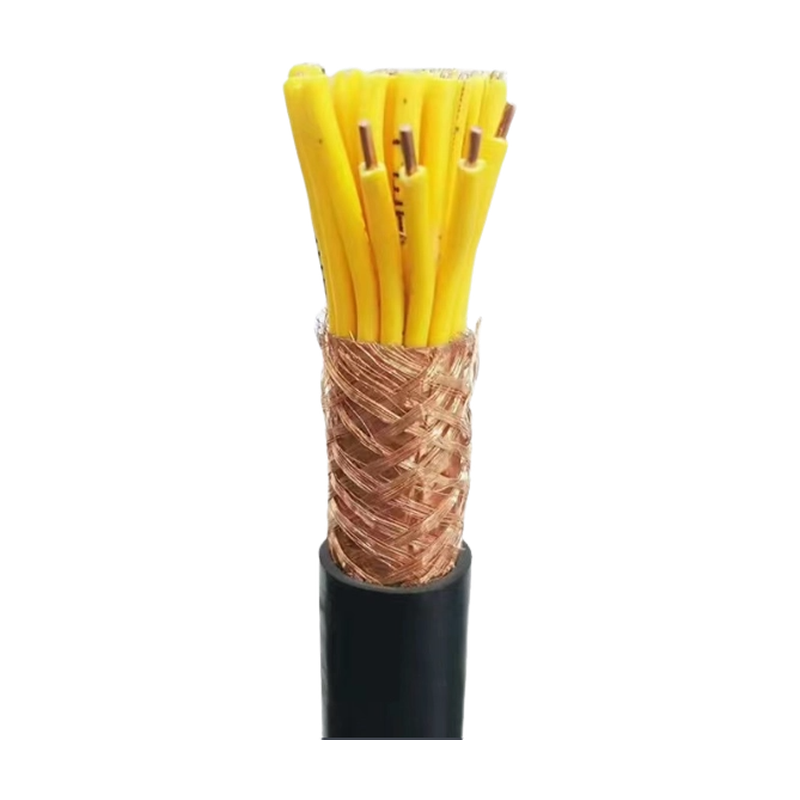
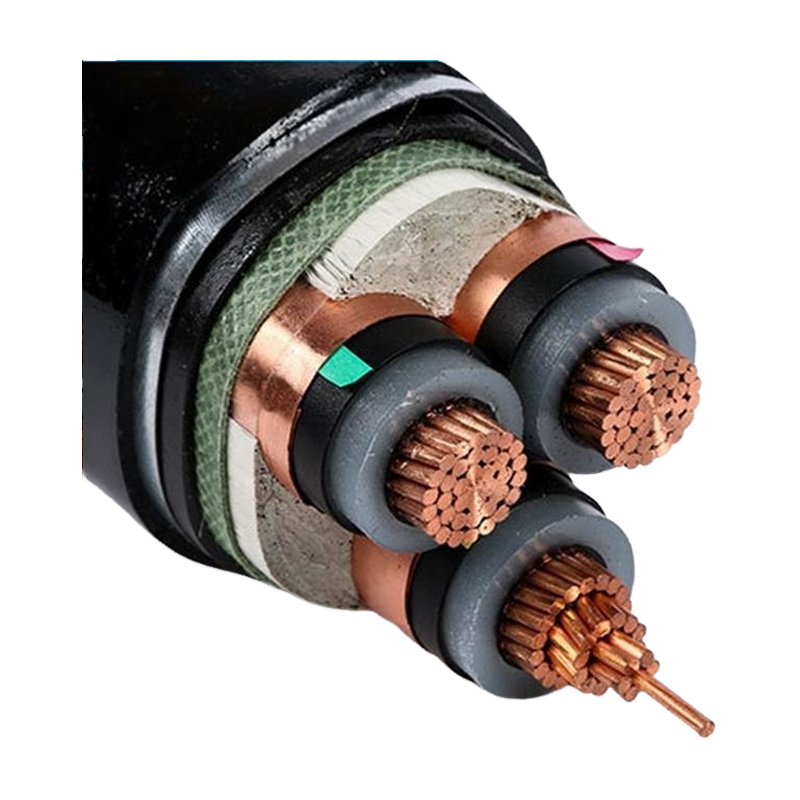
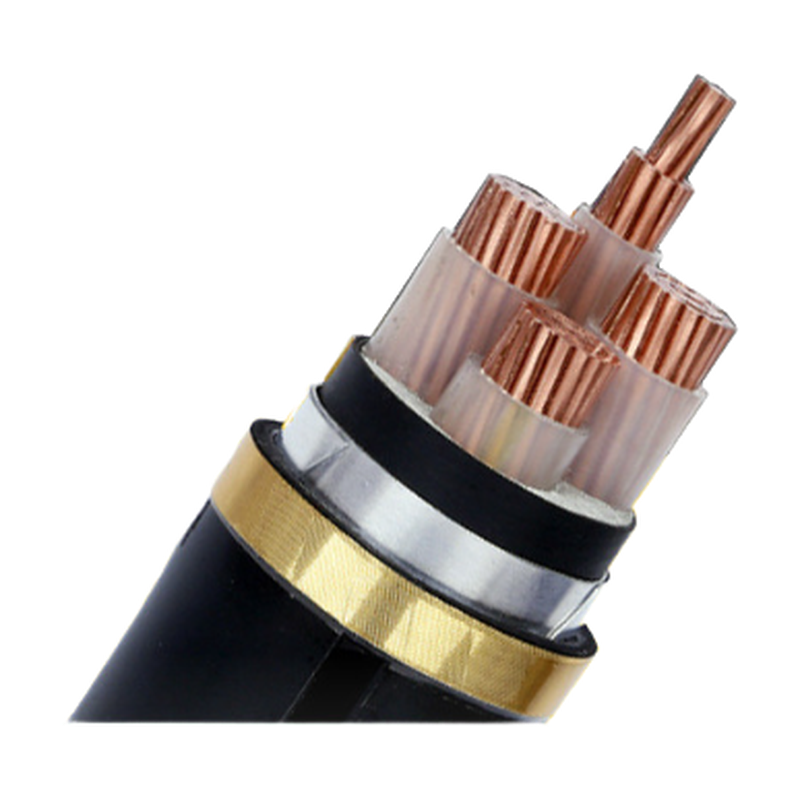


KVV/PVC insulated PVC sheath control cable
KVV
KVV control cable, specially designed for signal transmission and power connection of electrical control systems. In "KVV", the first letter "K" represents the control cable, and the double layer "V" represents the polyvinyl chloride insulating layer and the sheath layer respectively, forming double protection. It uses high-purity copper core conductors, with excellent conductivity, low resistance, stable transmission, and can effectively reduce signal loss and power transmission attenuation. The double-layer polyvinyl chloride structure gives the cable excellent insulation, wear resistance, moisture resistance and corrosion resistance, and can withstand complex environments such as oil and soil, acid and alkali, and also has good flame retardant performance and improves the safety factor of electricity use. The cable has high mechanical strength and good flexibility, making it easy to bending and wiring. Suitable for AC, DC or pulse circuits below 450/750V and below, it is widely used in industrial automation, building control systems, instrumentation equipment and other scenarios. It is a stable and reliable connection solution in the field of electrical control.
Quantity
KVV Control Cable: Versatile Solutions for Industrial Signal and Power Transmission
KVV, short for"PVC insulated PVC sheathed control cable,"is a foundational component in industrial and commercial electrical systems, valued for its simplicity, durability, and cost-effectiveness. Designed to transmit control signals, power, and data, this cable features a stranded copper core encased in the PVC insulation and PVC sheath, making it suitable for a wide range of non-critical applications.
Core Structure and Functional Advantages
The stranded copper conductor in KVV cables ensures flexibility, allowing easy routing through conduits, machinery, or tight spaces—a key advantage in industrial environments with complex wiring layouts. The PVC insulation provides reliable electrical separation, while the outer PVC sheath offers mechanical protection against abrasion, moisture, and light chemical exposure. This straightforward design balances performance and affordability, making KVV a go-to choice for routine control circuits, power distribution, and signal transmission in low- to medium-voltage systems (up to 450/750V).
Applications in Diverse Sectors
KVV control cables are widely used in scenarios where robustness and economy are prioritized:
- Industrial Automation: Powers sensors, relays, and control panels in factories, supporting basic machinery operation without requiring specialized shielding or fire resistance.
- Commercial Buildings: Ideal for wiring non-critical systems like elevators, ventilation fans, or general lighting in offices, schools, and retail spaces.
- Residential Complexes: Used for communal power distribution, such as stairwell lighting or basement wiring, where durability and ease of installation are key.
- Agricultural and Rural Projects: Suitable for irrigation systems, farm equipment, and rural power networks, resisting outdoor elements like UV rays and moisture.
Performance and Compliance
Compliant with standards like IEC 60227 and GB/T 9330, KVV cables offer:
- Electrical Reliability: Stranded copper cores provide stable conductivity with low resistivity, ensuring consistent power delivery.
- Mechanical Durability: PVC layers resist common industrial hazards like oil spills, minor impacts, and abrasion, extending service life in typical environments.
- Cost Efficiency: As a non-specialized cable, KVV is more affordable than shielded or fire-retardant variants, making it suitable for large-scale projects on tight budgets.
Why Choose KVV for Routine Wiring?
- Simplicity at Scale: Ideal for projects that don’t require advanced features like EMI shielding or fire resistance, reducing unnecessary costs.
- Installation Speed: Lightweight and flexible design allows quick deployment, cutting labor time for electricians.
- Sustainability: Recyclable PVC and copper components align with eco-friendly practices, minimizing environmental impact over the cable’s lifecycle.
Conclusion
KVV control cables are the workhorses of the electrical industry, providing reliable performance for everyday wiring needs. Whether powering industrial machinery, commercial infrastructure, or residential complexes, their straightforward design and cost-effectiveness make them an indispensable choice. For projects where"dependable"and"affordable"are the primary criteria, KVV stands as a testament to the power of simplicity in engineering—proving that sometimes, the most effective solutions are the ones that do exactly what they need to, without unnecessary complexity.